
Why You Keep Waking Up Hot and Sweaty
There are few things more frustrating than peeling back the covers at 3 a.m., damp and overheated, then lying there willing yourself back to sleep. If you're waking up hot and sweaty on a regular basis, you're not imagining it and you're certainly not alone. Surveys consistently find that overheating at night is one of the most common reasons people report poor, fragmented sleep.
The good news: in the vast majority of cases, this is a fixable problem. Once you understand why your body heats up after you fall asleep, the solutions become surprisingly straightforward.
This guide walks through the real causes of overheating at night, then gives you a practical, layered plan to stay cool and dry until morning.

What Actually Happens to Your Body Temperature at Night
Your body isn't supposed to stay one steady temperature overnight. As bedtime approaches, your core temperature naturally drops by roughly 1 to 2 degrees Fahrenheit. That gentle cooling is one of the signals that tells your brain it's time to sleep, and it stays low through the deepest stages of the night before climbing again toward morning.
To pull off that drop, your body releases heat through your skin, especially through your hands, feet and face. This is where the trouble starts. If that released heat has nowhere to go, because your room is warm, your bedding traps it, or the air is humid, it builds up around you. Your body keeps trying to cool down, can't, and eventually nudges you awake, often drenched.
In other words, sweating in sleep is frequently a thermoregulation problem, not a medical one. Your body is doing exactly what it should; the environment is fighting back. If you want the deeper physiology, we break it down in our explainer on the science of why you sleep worse when you're hot.
The Most Common Causes of Overheating at Night
Most cases of waking up hot and sweaty come down to a handful of culprits, often stacked on top of each other.
- A bedroom that's too warm. Sleep specialists generally point to a bedroom temperature of around 60 to 67 degrees Fahrenheit (about 16 to 19 degrees Celsius) as the sweet spot. Many bedrooms sit several degrees above that.
- Heat-trapping bedding. Thick polyester-filled comforters, dense memory foam, and synthetic sheets hold warmth and block airflow. They feel cozy at first, then turn into an oven by midnight.
- The wrong sleepwear. Tight, synthetic pajamas trap sweat against your skin instead of letting it evaporate.
- A warm sleeping partner or pet. Two bodies (or three) under one duvet generate a lot of shared heat.
- Late meals, alcohol and caffeine. Each can raise your metabolic heat or disrupt your body's ability to cool down as you sleep.
- Humidity. Damp air keeps sweat from evaporating, so you feel hotter and stickier even at the same temperature.
- Hormones and health factors. Menopause, certain medications, an overactive thyroid and stress can all drive genuine night sweats. We cover the medical side in detail in our guide to the causes of night sweats and how bedding helps.
If you've ruled out the health factors, the remaining causes are almost entirely within your control.
Real Fixes That Actually Keep You Cool
Here's the part that matters. These fixes are ordered from quickest wins to bigger upgrades, and they work best layered together.
1. Dial in your bedroom temperature first
Before you buy anything, set your thermostat lower. Aim for the 60 to 67 degree range and give your body a few nights to adjust, since the change can feel chilly at first before it starts paying off in deeper, uninterrupted sleep. If you can't run the AC all night, crack a window, run a fan to keep air moving, and close blinds during the day so the room doesn't bake. Moving air helps sweat evaporate, which is what actually makes you feel cooler. A fan pointed across the bed, rather than directly at you, keeps the whole room circulating without drying you out.
2. Take a warm shower an hour before bed
This sounds backwards, but it works. A warm shower draws blood to your skin's surface; when you step out, that heat dissipates and your core temperature drops faster, mimicking the natural pre-sleep cooldown.
3. Rethink what's on your bed
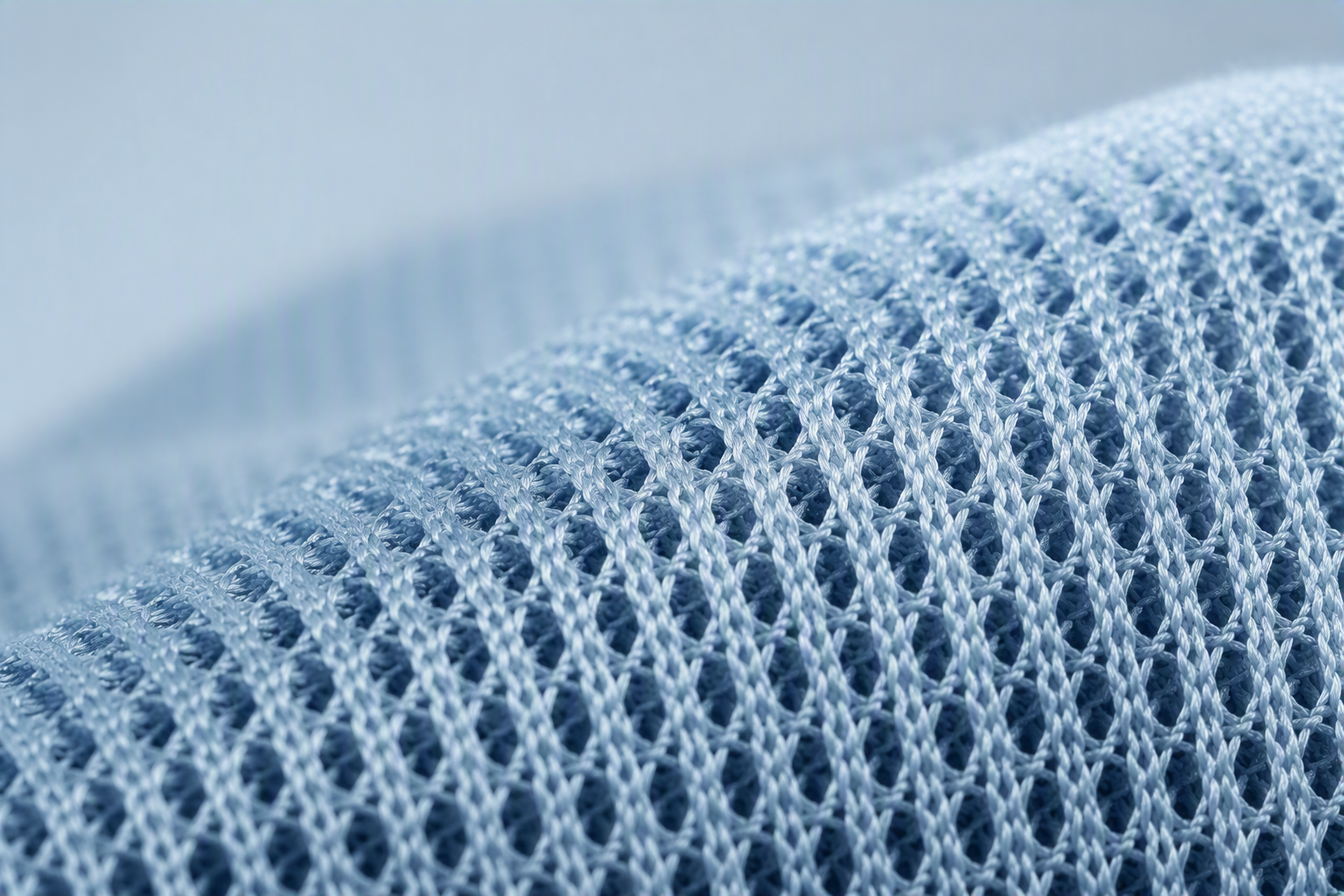
Your bedding is usually the single biggest lever, and the one most people overlook. The materials touching your skin determine whether body heat escapes or gets trapped. Swapping a heat-hoarding duvet for breathable, moisture-wicking bedding is often the fix that finally ends the 3 a.m. wake-ups.
Natural and engineered cooling fibers, think percale cotton, linen, bamboo-derived viscose and Tencel, let air circulate and pull moisture away from your skin. We rank the best options in our guide to cooling bedding materials worth buying.

This is also where a purpose-built cooling layer earns its place. A breathable cooling blanket from Breeza is designed to move heat and moisture away rather than hold it in, so the warmth your body sheds overnight actually has somewhere to go. The difference between a comforter that breathes and one that doesn't is often the difference between waking up dry and waking up soaked.
4. Switch to breathable sleepwear (or skip it)
Loose, lightweight cotton or moisture-wicking fabrics let sweat evaporate. Avoid clingy synthetics. Many hot sleepers do best in minimal sleepwear so heat can escape freely.
5. Cool your pressure points
Your wrists, ankles, neck and the soles of your feet are where blood runs close to the surface, so cooling them cools you faster. Sticking a foot out from under the covers is a real, effective trick, not an old wives' tale; your feet are one of your body's main heat-release valves. A cool, damp cloth on your wrists or the back of your neck before bed helps too, and some people keep a small ice pack or chilled gel pad within reach for the worst nights. The goal isn't to feel freezing, just to give your body an extra channel to dump heat.
6. Hydrate smart and time your meals
Drink water through the evening so you're not dehydrated (which makes overheating worse), but ease off in the last hour to avoid bathroom trips. Finish heavy meals, alcohol and caffeine well before bed, since all three can spike your overnight heat and disrupt cooling.
7. Build cooling into your whole sleep setup
If you sleep hot and want better support, a cooling body pillow made with breathable fabric gives side sleepers something to hug without sandwiching extra heat between your arms and chest. Pairing the right pillow with breathable bedding addresses comfort and temperature at the same time.

When Night Sweats Are More Than a Hot Room
Most overheating at night is environmental, but it's worth knowing the difference. True night sweats, the kind that soak through your pajamas and sheets even in a cool room, can signal something worth discussing with a doctor: hormonal shifts, infections, certain medications, or thyroid issues.
A simple test: if dropping your bedroom temperature and switching to breathable bedding fixes the problem, it was a thermoregulation issue. If you're still drenched in a genuinely cool room, or you have other symptoms like fever or unexplained weight loss, talk to a healthcare provider. There's no shame in checking, and ruling it out brings real peace of mind.
Putting It All Together
Waking up hot and sweaty almost always traces back to one thing: heat that has nowhere to escape. Lower the room, choose bedding that breathes, dress light, cool your pressure points, and time your food and drink. Stack a few of these and most people notice a difference within a week.
If cooler nights are your main goal, this article is one piece of a bigger picture. Our complete guide to cooling sleep products for hot sleepers ties together everything, from materials to room setup to the gear that makes the biggest difference, so you can build a sleep environment that keeps you cool all the way to sunrise.


