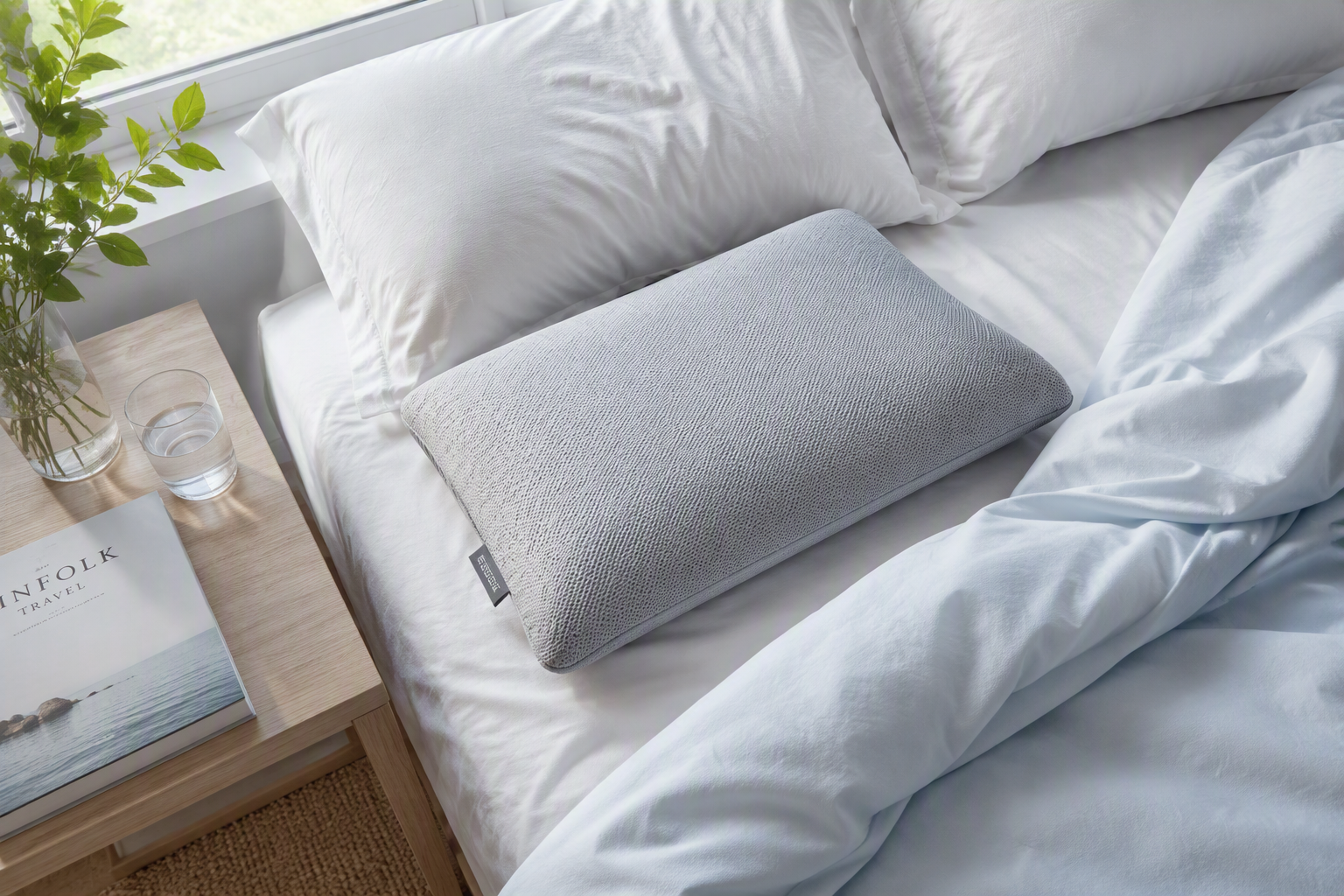
Why your pillow can make hot nights worse
You can own the lightest blanket in the world and still wake up searching for the cool side of the pillow. Your head and neck sit close to a surface that absorbs warmth, breath and moisture for hours. Hair can trap warm air near the scalp, while dense pillow fills can limit the airflow that would otherwise carry heat away.
What a cooling pillow actually does
Cooling pillows may use gel-infused foam, open-cell foam or phase-change materials. Gel can pull heat away at the point of contact, while open-cell foam uses channels and a less dense structure to let warm air move through the core. A phase-change cover can absorb some heat near skin temperature and create a cool-touch effect.
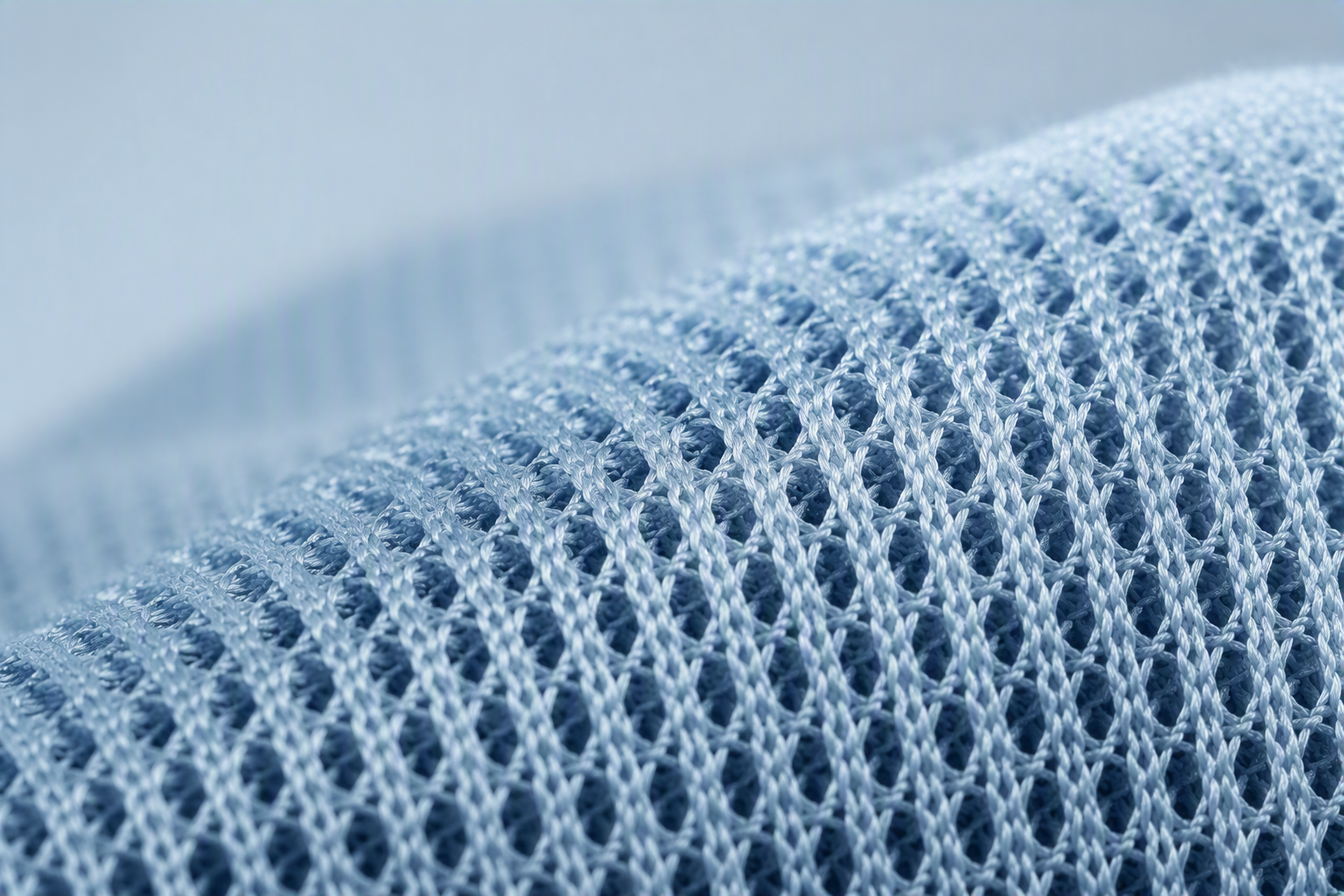
The strongest designs pair a breathable core with a cover that helps moisture move away from the skin.
The four ways heat leaves your head
A pillow can manage heat through conduction, convection, evaporation and phase-change absorption. Conduction is the immediate cool sensation when skin touches a cooler surface. Convection is airflow: warm air escapes and cooler air replaces it. Moisture-wicking fabrics support evaporation, which helps when sweat or humidity builds up. Phase-change layers can act as a temporary heat sink before releasing stored warmth more gradually.
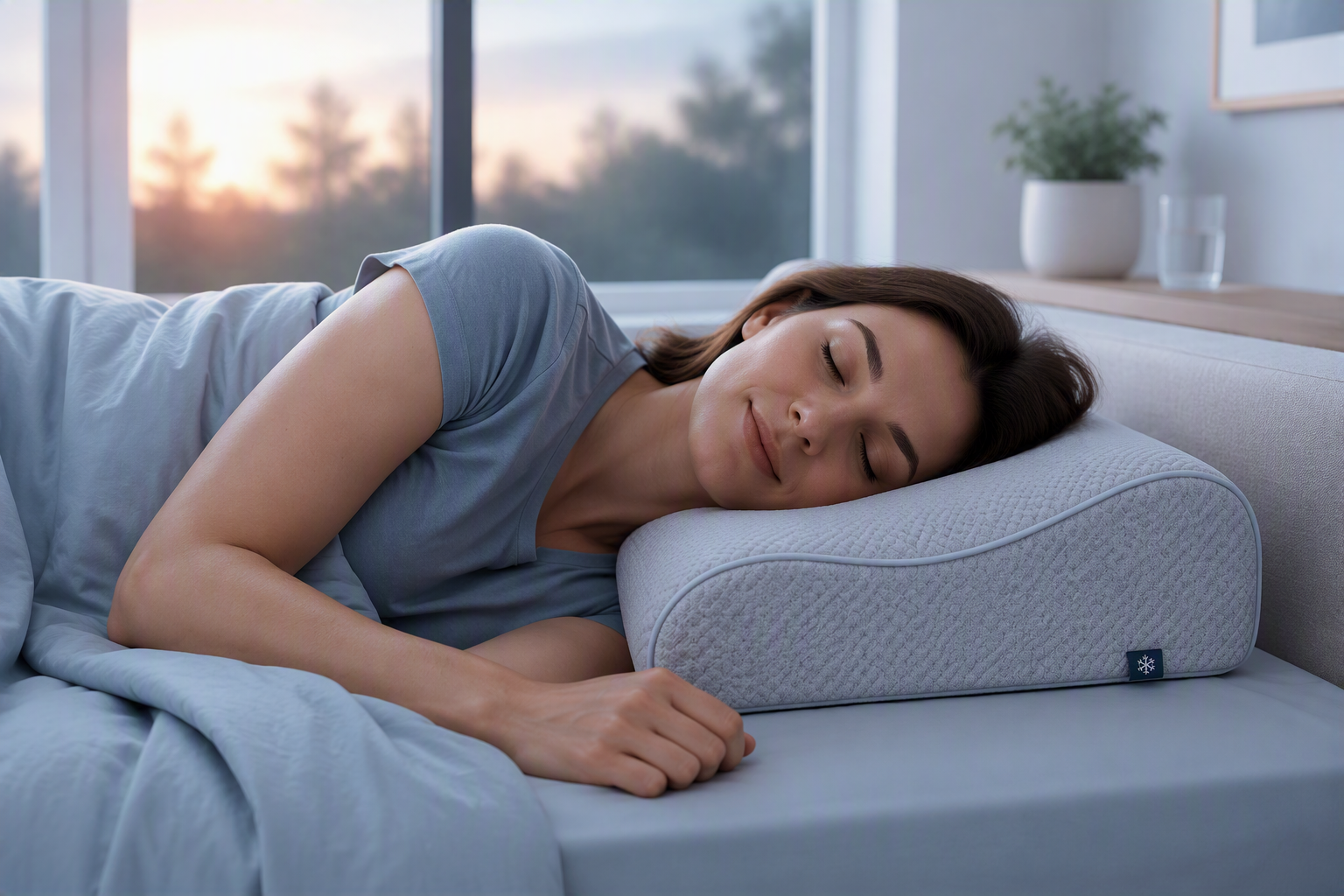
For a full night, airflow is the crucial piece. A surface-only solution may feel refreshing at lights-out but warm quickly when the fill underneath cannot release heat.
Cooling pillow versus cooling pillowcase
A cooling pillowcase manages the fabric touching your face. It can improve the first layer of comfort, especially if you sleep warm or wake up damp. A cooling pillow manages what happens inside the fill: density, air channels and how efficiently heat moves through the pillow.