
Your Body Runs a Nightly Cooling Program
Long before you feel sleepy, your body has already started getting ready for bed. As evening approaches, your brain quietly winds down its internal furnace, releasing heat through your skin and lowering your core temperature by a degree or two. That drop is not a side effect of sleep. It is one of the triggers for it.
The relationship between body temperature and sleep is among the most tightly regulated systems in human physiology. Your sleep-wake cycle and your temperature cycle are run by the same master clock in the brain, and they move together night after night with remarkable precision. Understanding how that works is the single most useful thing a hot sleeper can do, because it turns "I just sleep badly" into a problem with a clear, physical solution.
This article is a deep look at thermoregulation and sleep. For the wider picture, including humidity, room setup, and seasonal strategy, it sits under our full guide to the science of sleeping cool.

What Thermoregulation Actually Means
Thermoregulation is your body's ability to hold its internal temperature within a narrow, safe band, no matter what is happening around you. You have a core temperature, kept close to 37 degrees Celsius (98.6 Fahrenheit) deep inside your chest and abdomen, and a shell temperature at your skin and extremities that fluctuates far more freely.
Your hypothalamus, a small region at the base of the brain, acts as the thermostat. It constantly compares your actual core temperature against a target set point and makes adjustments:
- To shed heat: it widens the blood vessels near your skin (vasodilation) and prompts sweating, so warmth radiates away.
- To conserve heat: it narrows those vessels (vasoconstriction) and can trigger shivering to generate more.
What makes sleep special is that the set point itself changes. In the evening, your hypothalamus lowers the target, and your body works to meet the new, cooler goal. This is core body temperature and sleep working hand in hand, and it is why a slightly cool bedroom feels right at night even when the same temperature felt chilly at noon.
This daily rhythm is part of your circadian system, the roughly 24-hour cycle that also governs hormones, alertness, and the timing of sleep itself. Your core temperature reaches its highest point in the late afternoon or early evening and its lowest in the small hours of the morning. The melatonin your brain releases as darkness falls is closely tied to this cooling: the two rise and fall in lockstep, reinforcing each other. When you keep regular hours and a consistently cool sleep environment, you strengthen that rhythm. When you eat late, train hard at night, or sleep somewhere too warm, you blur it, and the body's sleep signals weaken.
The Temperature Drop That Signals Sleep
Here is the part most people never learn. To lower your core temperature, your body actually warms your skin first.
In the hour or two before sleep, blood flow surges to your hands and feet. Those extremities are rich in specialized blood vessels that act like radiators, dumping heat into the surrounding air. As warmth leaves through your skin, your core cools, and that internal cooling is one of the strongest signals your brain reads as "time to sleep."
This is why warm feet help you fall asleep faster, and why so many people unconsciously stick a foot out from under the covers in the middle of the night. It is not random fidgeting. It is your thermoregulatory system fine-tuning heat loss in real time.

The temperature drop continues through the night, reaching its lowest point in the early hours of the morning, usually a couple of hours before you naturally wake. Then it begins to climb again, and that rewarming is part of what nudges you toward waking. When this rhythm is smooth, sleep tends to be deep and continuous. When something blocks the cooling, sleep fragments.
Why Heat Wrecks Deep and REM Sleep
Not all sleep stages are equally robust to temperature. Slow-wave sleep, the deep stage that drives physical recovery, and REM sleep, where dreaming and memory consolidation happen, are both unusually sensitive to being too warm.
During REM in particular, your body partly loses its ability to thermoregulate. You stop shivering and sweating effectively, so you rely heavily on the environment to keep you in range. If your bedroom or your bedding is too hot during these windows, your brain cuts REM short to protect you, pulling you up into lighter sleep so you can adjust. You may not fully wake, but the quality of your night quietly erodes.
This is the mechanism behind those restless, sweaty nights where you technically spent eight hours in bed and still feel wrecked. We break the full chain of events down in our explainer on why hot rooms ruin your sleep. The short version: heat is not just uncomfortable, it actively interrupts the most valuable stages of your night.
There is also a knock-on effect that builds over weeks. Slow-wave sleep is when your body clears metabolic waste, repairs tissue, and consolidates the day's physical learning. REM is when your brain processes emotion and locks in memories. Lose a slice of each, night after night, and the deficit compounds. You feel it as foggy mornings, irritability, and a vague sense that rest is not landing, even when the hours on paper look fine. Temperature is one of the few levers that touches both stages at once, which is why getting it right pays outsized dividends.
The Sleep Microclimate Around Your Body
Your bedroom thermostat tells you only part of the story. What truly governs your thermoregulation is the microclimate, the thin envelope of air trapped between your skin and your bedding. That pocket can sit five to ten degrees warmer than the room, and it is where most sleep-temperature problems are actually won or lost.
Three things drive that microclimate:
- Air temperature in the room, ideally somewhere around 16 to 19 degrees Celsius (60 to 67 Fahrenheit) for most adults.
- Humidity, because moisture-laden air slows the evaporation of sweat and traps heat against the skin.
- Your bedding's breathability, which determines whether body heat and moisture escape or build up.
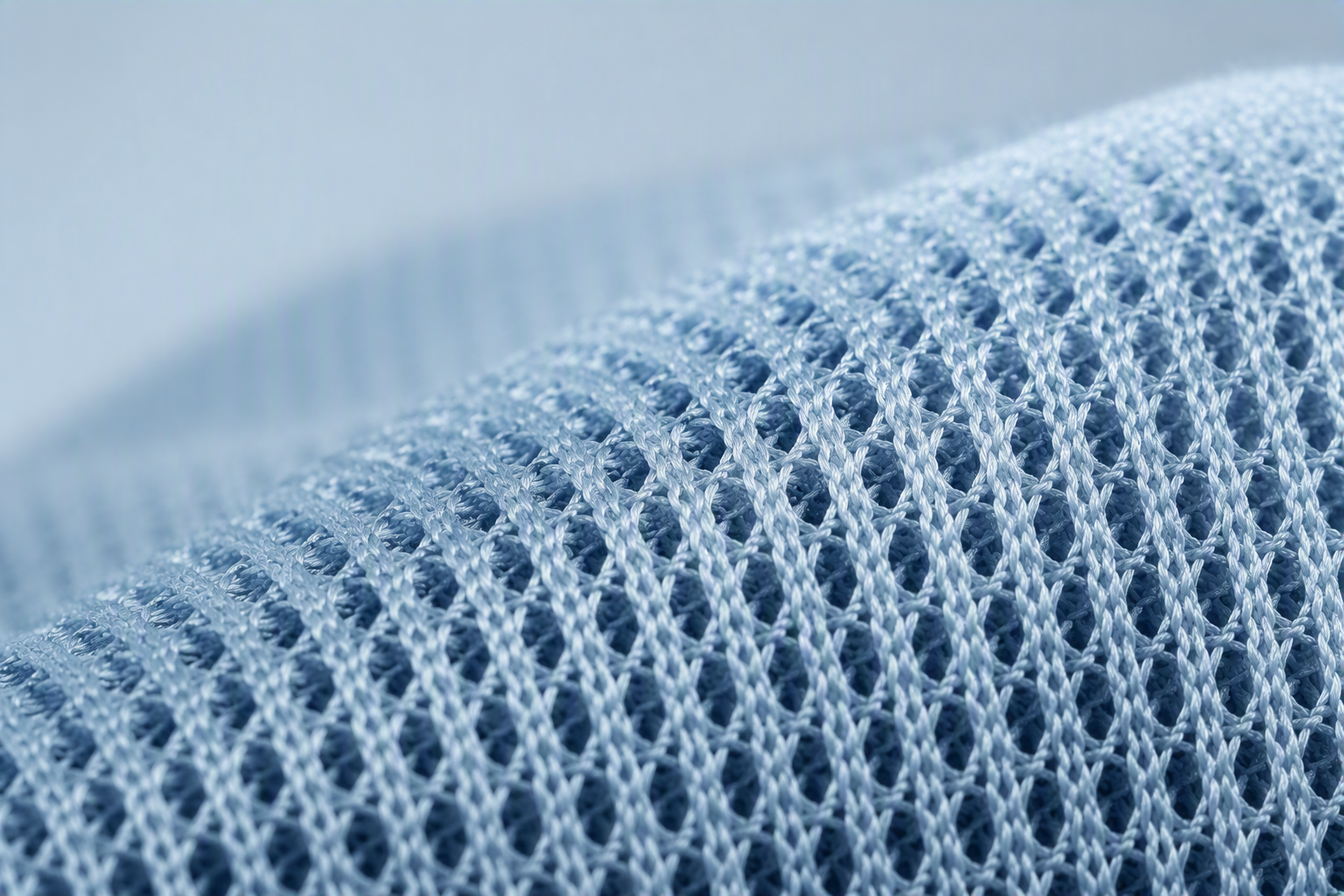
This is where materials matter enormously. Dense synthetics and heavy fills trap heat and water vapor, fighting your body's natural cooling. Breathable, moisture-wicking fabrics do the opposite, letting that warm, humid air move away so your skin can keep shedding heat. If you want to go deep on fibers and weaves, our overview of the best cooling bedding materials compares the options side by side.

Working With Your Biology Instead of Against It
The practical takeaway is simple: stop forcing your body to fight its own bedding. Every choice that makes heat easier to shed supports the natural temperature drop that ushers you into sleep.
A few high-leverage moves:
- Cool the room before you cool the bed. A bedroom in the mid-60s Fahrenheit gives your microclimate room to breathe.
- Warm your feet to cool your core. A short warm shower or warm socks an hour before bed boosts the blood flow that helps your core cool down.
- Choose breathable, moisture-wicking bedding. This is the layer touching you all night, so its ability to move heat and moisture matters more than almost anything else.
- Keep humidity in check. Dry air lets sweat evaporate and carry heat away.
This is exactly the gap that thermoregulating bedding is designed to fill. A cooling summer quilt built to wick moisture and breathe works alongside your body's cooling program rather than smothering it, helping that warm, humid microclimate clear so your core can keep dropping. The goal is not to make you cold. It is to remove the barriers that stop you from reaching the cool, stable state your brain is already trying to create.
The Bottom Line
Sleep is not something that simply happens to you. It is a finely orchestrated physiological event, and temperature is one of its conductors. The nightly fall in your core temperature opens the door to deep and REM sleep, the rewarming in the early morning helps you surface, and anything that disrupts that arc disrupts your rest.
Once you see sleep through this lens, the fixes stop feeling like guesswork. Cool the room, support your body's heat loss, and give your skin bedding that lets warmth escape. For a complete, step-by-step plan, our guide to staying cool for hot sleepers pulls the whole strategy together. Work with your thermoregulation, and better sleep tends to follow on its own.