How to Sleep Cool Without Air Conditioning: 15 Proven Tricks
No AC? No problem. Here are 15 proven, low-cost ways to sleep cool without air conditioning, from airflow tricks to breathable bedding that actually keep you comfortable.
Jun 2026· 9 min read
Key takeaways
You don't need air conditioning to sleep cool; you need airflow, smart timing, and bedding that lets body heat escape.
Keep windows and blinds closed during the hottest hours and open them only once the evening air drops below your indoor temperature.
Create a cross-breeze with two opposite windows, and point a fan out a warm-side window to exhaust the hot air pooled near the ceiling.
Fans cool you, not the room, by evaporating sweat off your skin, so aim them across the bed rather than blasting one spot.
Heat-trapping duvets and synthetic sheets are the hidden culprit; breathable, moisture-wicking bedding is the highest-impact upgrade.
A warm shower before bed and cooling your pressure points (wrists, neck, feet) speed up your body's natural pre-sleep temperature drop.
How to Sleep Cool Without AC (and Actually Stay That Way)
If your bedroom turns into a sauna the moment the sun goes down, you already know the problem: it's not just uncomfortable, it wrecks your sleep. Heat fragments your night, pulls you out of deep sleep, and leaves you groggy the next day. The frustrating part is that air conditioning isn't always an option. Maybe you're renting, maybe you're keeping the energy bill down, or maybe you simply don't have a unit.
The good news is that learning how to sleep cool without AC is mostly about working with your body and your room instead of against them. Your body wants to cool down at night, you just have to give the heat somewhere to go.
Below are 15 proven tricks, ordered roughly from the fastest, free fixes to the upgrades worth investing in. Stack a handful together and most people feel a real difference the very first night.
Master Airflow and Room Temperature First
Before you change anything else, get the air in your room moving and keep the daytime heat out. This is where the biggest, cheapest wins live.
1. Create a cross-breeze
One open window pulls in some air. Two open windows on opposite sides of your home create a current that actually flushes hot air out. Open the window on the cooler, shaded side as an inlet and a window on the warmer side as an outlet. Even a modest temperature difference between the two gets air moving.
2. Time your windows to the outside temperature
This is the trick most people get backwards. Keep windows and blinds closed
Frequently asked questions
Share
Ready to shop?
Explore the Breeza range with free shipping and 30-day returns.
during the hottest part of the day to trap the cooler morning air inside, then throw everything open once the evening air drops below your indoor temperature. Opening windows at 2 p.m. just invites the heat in.
3. Build a DIY fan-and-ice cooler
Position a fan so it blows across a shallow bowl or tray of ice. As the ice melts, the fan pushes chilled, slightly humid air toward the bed. It's a poor man's swamp cooler, and on a dry night it works surprisingly well for a single sleeper.
4. Point your fan out the window
Late at night, aim a fan out of an upstairs or warm-side window. It exhausts the hot air that's risen and pooled near the ceiling, while a second window pulls cooler air in. Hot air rises, so evicting it from up high makes the whole room more comfortable.
5. Use a fan the smart way
A fan doesn't lower the air temperature, it moves air across your skin so sweat evaporates and carries heat away. Set it on an oscillating low-to-medium speed near the bed rather than blasting one spot, which can dry you out and leave you stiff. If you have a ceiling fan, run it counterclockwise in summer to push air straight down.
For a deeper walkthrough of cooling a room without a unit, our guide to keeping your bed cool in summer covers room-by-room tactics in detail.
Rethink Your Bed and Bedding
Once the air is moving, the next biggest lever is what you're actually sleeping on and under. Most people overheat because their bedding traps the heat their body is trying to release.
6. Ditch heat-trapping fabrics
Thick polyester-filled duvets, dense memory foam, and synthetic sheets hold warmth and block airflow. They feel cozy for the first hour, then turn into an oven by midnight. Swapping them out is often the single change that ends the 3 a.m. wake-ups.
7. Choose breathable, moisture-wicking materials
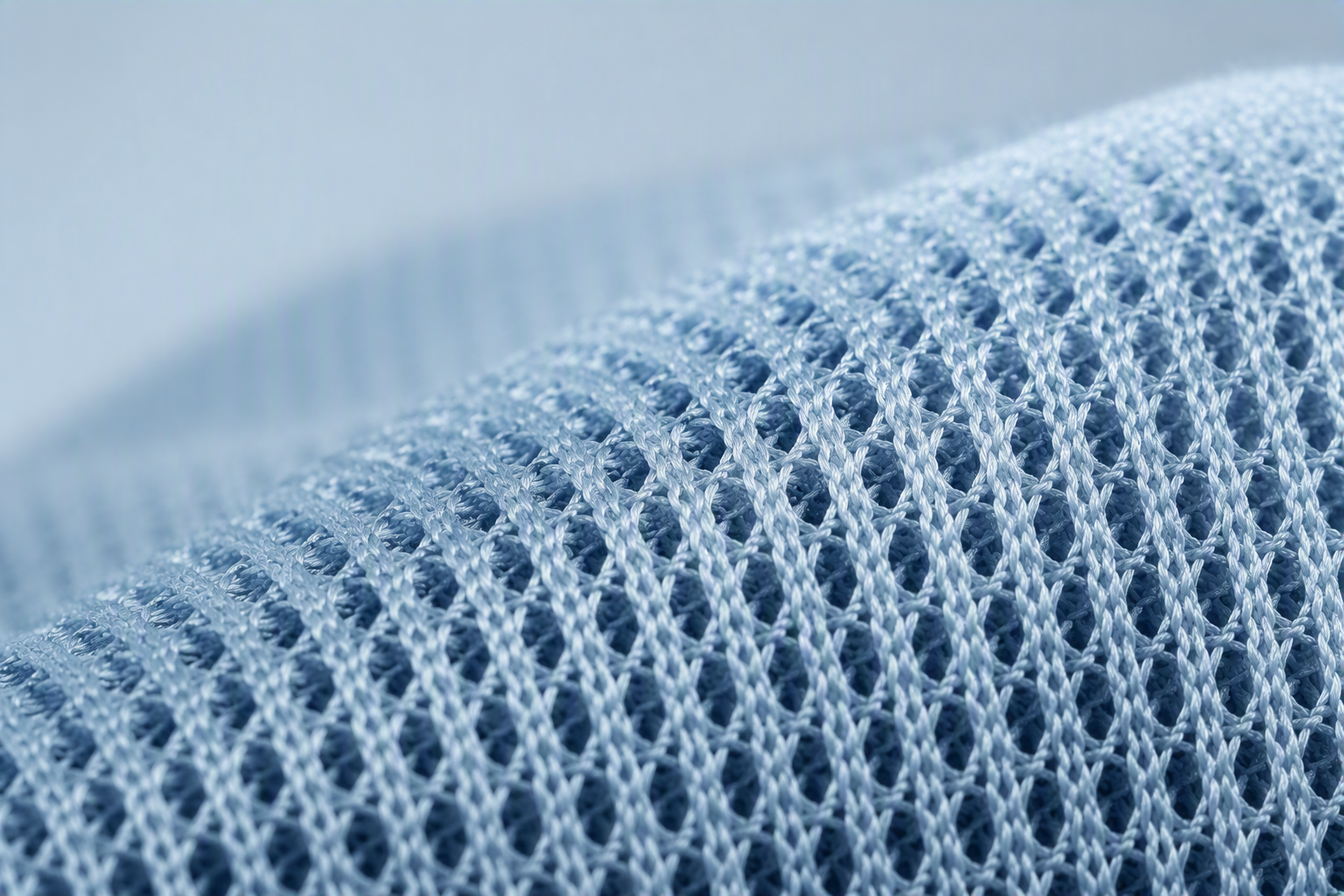
Natural and engineered cooling fibers, think percale cotton, linen, bamboo-derived viscose, and Tencel, let air circulate and pull moisture off your skin so it can evaporate. We rank the best options in our guide to the most breathable cooling bedding materials, but the principle is simple: if it breathes, it cools.
8. Upgrade to a comforter built to release heat
This is where a purpose-built cooling layer earns its keep. A breathable Breeza cooling summer quilt is engineered to move heat and moisture away rather than hold it in, so the warmth your body sheds overnight actually has somewhere to escape, no compressor required. When the bedding itself is doing the work, you need far less help from the room.
9. Try the "Egyptian method"
Lightly dampen a top sheet (or a thin towel) with cool water, wring it well so it's damp not dripping, and use it as your only cover. As the water evaporates through the night, it pulls heat away from your body. Keep a dry sheet folded underneath in case you cool off too much.
10. Freeze your sheets or pillowcase
Seal your top sheet or pillowcase in a plastic bag and tuck it in the freezer an hour before bed. It won't stay icy until morning, but a cool start helps your core temperature drop, and that initial dip is exactly the signal your body needs to fall asleep.
Cool Your Body Directly
Sometimes the fastest route to comfort is your own physiology. These tricks help your body shed heat faster than the room alone can.
11. Take a warm (not cold) shower before bed
This feels backwards, but it works. A warm shower draws blood to your skin's surface; when you step out, that heat dissipates and your core temperature drops faster, mimicking the natural pre-sleep cooldown. An ice-cold shower actually signals your body to conserve heat, so warm wins.
12. Cool your pressure points
Your wrists, ankles, neck, and the soles of your feet are where blood runs close to the surface, so cooling them cools all of you. A cool, damp cloth on the back of your neck or a chilled gel pad against your wrists before bed makes a real difference. And yes, sticking a foot out from under the covers genuinely works, your feet are one of the body's main heat-release valves.
13. Dress light or skip sleepwear
Loose, lightweight cotton or moisture-wicking fabric lets sweat evaporate. Tight synthetics trap it against your skin and make you feel hotter. Many hot sleepers do best in minimal sleepwear so heat can escape freely.
14. Hydrate through the evening
Dehydration makes overheating worse and harder for your body to manage. Sip water through the evening (ease off in the last hour to avoid bathroom trips) and keep a glass by the bed. Skip alcohol and heavy late meals, both spike your overnight heat and disrupt cooling.
15. Sleep low and sleep solo-cool
Heat rises, so if you have the option, a ground-floor or lower-level room runs cooler. Sharing a bed doubles the body heat under one cover, so use separate lightweight blankets instead of one shared duvet. A breathable body pillow gives side sleepers something to hug without sandwiching extra heat between your arms and chest.
Build It Into Your Whole Sleep Setup
No single trick on this list is magic, but together they compound. Get the air moving, keep the daytime heat out, switch to bedding that breathes, and give your body a head start on cooling down. Most people who do three or four of these stop dreading bedtime within a week, even in a heat wave and even without a single BTU of air conditioning.
It also helps to zoom out. Temperature is one pillar of a restful room, alongside light, noise, and humidity. Our guide to designing a sleep-friendly bedroom environment shows how those pieces fit together so your cool room stays a calm one too.
And if cooler nights are your main mission, this article is one chapter of a bigger story. Our complete guide to cooling sleep products for hot sleepers ties everything together, from materials and room setup to the gear that makes the biggest difference, so you can build a sleep environment that keeps you cool from lights-out to sunrise, AC or not.
Written by
The Breeza Team
Sleep & cooling experts
We're the research and product team behind Breeza. We test cooling fabrics, dig through sleep science, and write practical guides to help hot sleepers stay cool through the night.