
Why Your Bed Turns Into an Oven in Summer
There is a special kind of misery in flipping the pillow to the cool side for the tenth time, kicking off the covers, and still lying there sticky and wide awake at 1 a.m. If that sounds like your July, you are not imagining it: summer heat genuinely sabotages sleep, and the problem usually starts with the bed itself.
Here is the physiology in plain terms. To fall and stay asleep, your core body temperature needs to drop by roughly 1 to 2 degrees Fahrenheit. Your body does this by shedding heat through the skin, especially at the hands and feet. When the air around you is warm and your mattress and bedding trap that heat against your body, the drop stalls. The result is more time awake, more middle-of-the-night wakings, and lighter, less restorative sleep.
Learning how to keep your bed cool in summer is really about removing the things that block that natural cooldown. The good news: most of them are fixable tonight, for little or no money.

Start With the Bed: Bedding That Breathes
The single biggest lever is what sits directly against your skin. A thick winter duvet or a polyester-filled comforter behaves like a thermal blanket, holding heat and moisture exactly where you do not want it.
Swap it for bedding that moves heat and sweat away instead of trapping it. Look for:
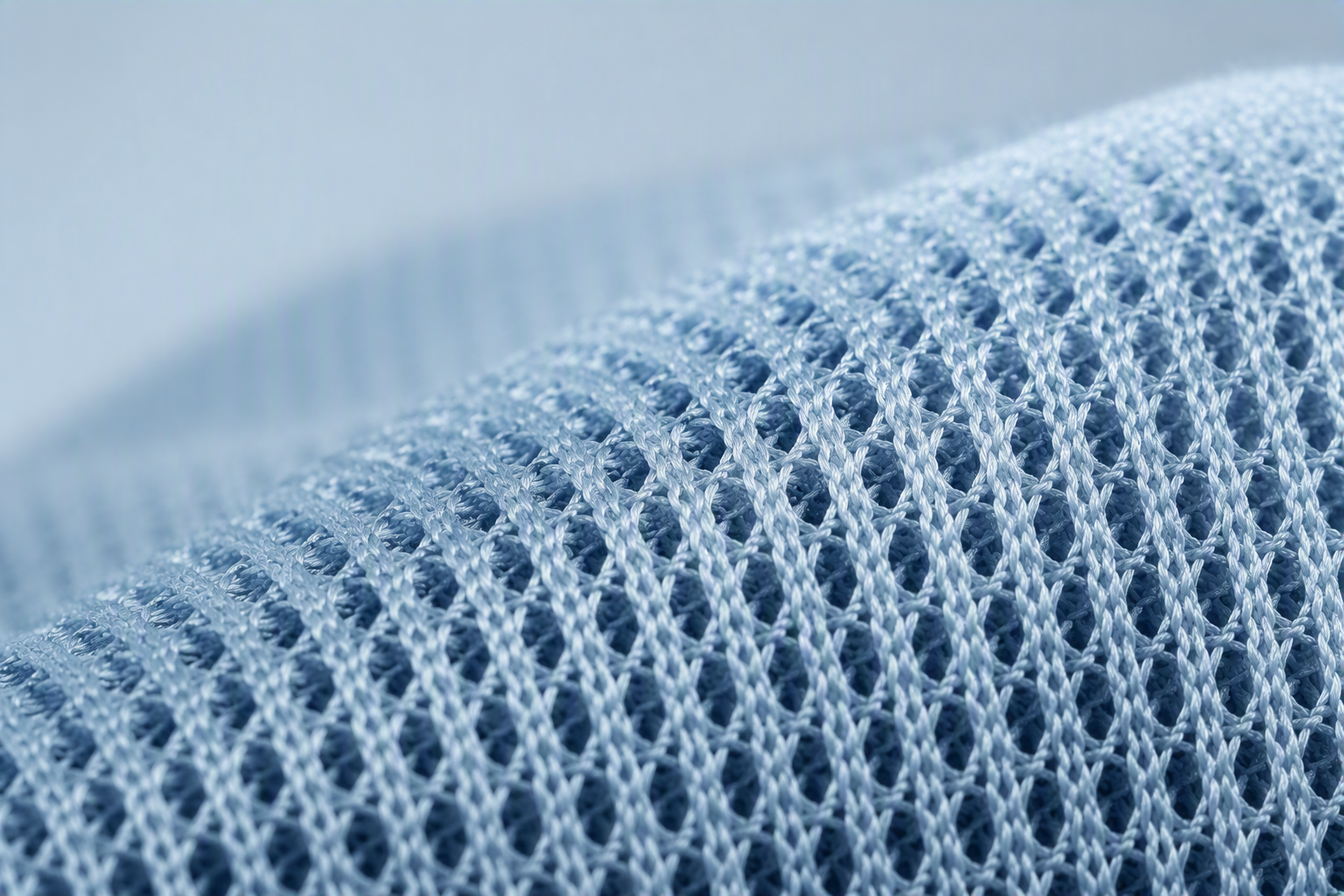
- Natural, breathable fibers like long-staple cotton, linen, bamboo-derived viscose, or Tencel lyocell. They are more air-permeable and far better at wicking moisture than tightly woven synthetics.
- A looser weave such as percale cotton, which feels crisp and sleeps cooler than dense, silky sateen.
- A lightweight, low-fill comforter rather than a lofty duvet you have to fight all night.
If you want a deeper comparison of fabrics and how they actually perform, our breakdown of the best cooling bedding materials for hot sleepers ranks the top options side by side. And if you are torn between styles, it is worth reading why a cooling comforter often beats a traditional duvet when the temperature climbs.
This is also where a purpose-built option earns its place. The Breeza Cooling Summer Quilt is engineered with breathable, moisture-wicking fabric and a low, even fill, so it drapes lightly instead of smothering. It is the kind of swap that lets you keep a blanket for that sense of being tucked in, without paying for it in sweat.
Master Airflow Before Bedtime
Moving air is your cheapest, most effective cooling tool. Still, hot air sitting around your body is what makes you feel clammy, so the goal is to keep it circulating.
- Create cross-ventilation. Open windows on opposite sides of your home, or a window plus an interior door, so a breeze can travel through rather than pooling in one room.
- Point a fan at the bed, not just the room. Air flowing across your skin speeds up evaporation and makes you feel several degrees cooler than the thermometer reads.
- Try the box-fan-in-the-window trick. Once the evening air outside drops below your indoor temperature, set a fan in the window facing inward to pull cool air in, and crack a window elsewhere for it to escape.
- Run ceiling fans counterclockwise in summer so they push air straight down onto you.

If you do not have air conditioning at all, these tactics matter even more. We have a full, no-AC survival kit in our guide to sleeping cool without air conditioning, with fifteen tricks that go well beyond "open a window."
One timing detail makes all the difference: pay attention to when the outside air is cooler than your room. On a typical summer day, indoor temperatures peak in the late afternoon and early evening, long after the sun has gone down. Keep the house buttoned up and shaded while it is hotter outside, then throw everything open the moment the night air drops below your indoor reading. Flushing that built-up heat out before you go to bed means your fan is circulating genuinely cool air, not just stirring a warm room around.
Pre-Cool the Room (and Yourself)
A few habits in the hours before bed make an outsized difference.
Block the daytime heat. Close blinds and curtains on sun-facing windows during the day, especially in the afternoon. A room that never bakes in the first place is far easier to keep cool at night. Blackout or light-colored curtains reflect more heat back outside.
Take a warm (not cold) shower an hour before bed. It sounds backwards, but a warm shower dilates your blood vessels and helps your body dump heat afterward, nudging your core temperature down right as you want to sleep. A freezing shower does the opposite, telling your body to hold heat in.
Cool your pressure points. Run cold water over your wrists, or rest your feet outside the covers. Your extremities are built-in radiators, and keeping them exposed helps your whole body release heat.
Hydrate through the day, ease off at night. Being well-hydrated helps you sweat efficiently and regulate temperature, but downing a huge glass right before bed just means a 3 a.m. bathroom trip.
Mind your evening habits, too. A heavy, late dinner forces your body to generate heat while it digests, and both alcohol and caffeine disrupt the way you regulate temperature overnight. A lighter meal a few hours before bed leaves your internal thermostat free to do its job. Dimming the lights and powering down screens early also signals your body to begin its natural pre-sleep cooldown rather than staying revved up.
Smart Tricks That Actually Work
Beyond bedding and airflow, a handful of small upgrades stack up into genuinely cooler nights. These are some of the most effective summer sleep tips for anyone trying to beat the heat sleeping through a heat wave:
- Freeze a water bottle and tuck it near your feet, or wrap a gel pack in a thin towel and place it at the base of your neck. Targeted cooling at pulse points calms the whole system.
- Stash your pillowcase in the freezer for ten minutes before bed in a sealed bag. The relief is brief but blissful as you drift off.
- Sleep low and solo if you can. Heat rises, so a lower floor stays cooler. And sharing a bed means two bodies radiating warmth at each other; spreading out, even a little, helps.
- Switch to summer sleepwear, or skip it. Loose, breathable cotton or moisture-wicking fabric beats heavy or clingy material. Many people genuinely sleep cooler with less on.
- Damp-sheet method. Lightly mist a top sheet with cool water and lie under it with a fan running. As the water evaporates, it pulls heat from your skin, a low-tech swamp cooler.

Set Your Bedroom to the Right Temperature
If you have air conditioning or a thermostat, aim for the sleep sweet spot of roughly 65 to 68 degrees Fahrenheit, or about 18 to 20 Celsius. That can feel aggressive in summer, but it is the range most strongly linked to deep, uninterrupted sleep. You do not have to chill the whole house all night; cooling just the bedroom in the hour before bed and letting it coast often does the trick while keeping energy bills sane.
No thermostat control? Combine the airflow and pre-cooling steps above, and lean harder on bedding that breathes. The closer the surface touching your skin is to neutral, the less your body has to work.
Keeping a cool bed all summer is rarely about one heroic fix. It is the compound effect of a breathable comforter, a fan aimed right, curtains closed at noon, and a couple of clever pulse-point tricks. Layered together, they keep your body on its natural downward temperature glide instead of fighting against it.
The Bottom Line
Summer does not have to mean three months of broken, sweaty sleep. Start with the bedding that touches your skin, get the air moving, pre-cool both the room and yourself before bed, and use targeted tricks to take the edge off the worst nights. Each change is small; together they decide whether you wake up rested or wrung out.
For the complete strategy across every season and sleep style, our complete guide to cooling sleep products for hot sleepers ties it all together, from materials to mattresses to the gear actually worth buying. Get the foundation right, and even the hottest nights start to feel a whole lot more bearable.