
If you kick the covers off at 2 a.m., flip your pillow to the cool side, or wake up clammy more nights than not, your bedding is probably working against you. The question of a cooling summer quilt vs a duvet comes up constantly among hot sleepers, and for good reason: the layer draped over your body all night is one of the biggest levers you have over your core temperature.
The trouble is that "comforter," "quilt," and "duvet" get used interchangeably, and "cooling" gets slapped on packaging that traps as much heat as ever. This guide cuts through it. We'll define each option clearly, compare a purpose-built cooling summer quilt against a regular duvet on the things that actually matter for sleeping cool, and help you choose the right bedding for warm bodies and warm bedrooms.

Summer quilt vs duvet: what's the actual difference?
Before we talk cooling, let's settle the vocabulary, because the terms describe two slightly different things.
- A duvet is a soft, flat bag filled with down, feathers, or synthetic fibers. It's meant to be slipped inside a separate, removable duvet cover — think of it like a giant pillow and pillowcase. You wash the cover, not the insert.
- A summer quilt is a single, quilted piece — the lightweight cousin of the traditional comforter. The fill is stitched permanently into the outer shell, so it's used as-is, usually layered with a top sheet underneath. Unlike a heavy winter comforter, though, it's built thin and airy for warm nights.
That structural difference matters more than it sounds. A traditional duvet is often built thick and lofty for insulation, while a summer quilt is engineered as one flat, breathable layer. Neither word, on its own, tells you how warm the bedding will sleep — the fill, weight, and fabric do.
A cooling summer quilt is a quilt purpose-built to move heat and moisture away from your body: lighter fill, an airy quilted construction, and a breathable, often moisture-wicking shell. That's the meaningful comparison — not quilt versus duvet as categories, but a heat-trapping setup versus one designed to keep you cool.
Why hot sleepers overheat under the wrong bedding
Your body needs to shed about one to two degrees of core heat to fall and stay asleep. Bedding that traps that heat keeps your core elevated, which fragments sleep and triggers those sweaty 3 a.m. wake-ups. If you want the deeper physiology, our pillar guide to cooling sleep for hot sleepers walks through thermoregulation in detail.
Two culprits dominate:
- Insulation overload. A thick down or microfiber duvet is designed to hold warmth in. Wonderful in January, miserable in July, and a year-round problem if you simply run hot.
- Trapped humidity. Many duvet covers and quilt shells are tightly woven polyester or high-thread-count cotton that holds moisture against your skin. Damp sheets feel hot, and you wake up to deal with it.
This is exactly the cascade behind waking up hot and drenched at night. The fix is rarely cranking the thermostat lower — it's changing the layer that sits closest to you.

Cooling summer quilt vs regular duvet, compared
Here's how the two stack up on the factors that decide whether you sleep cool.
Breathability and airflow
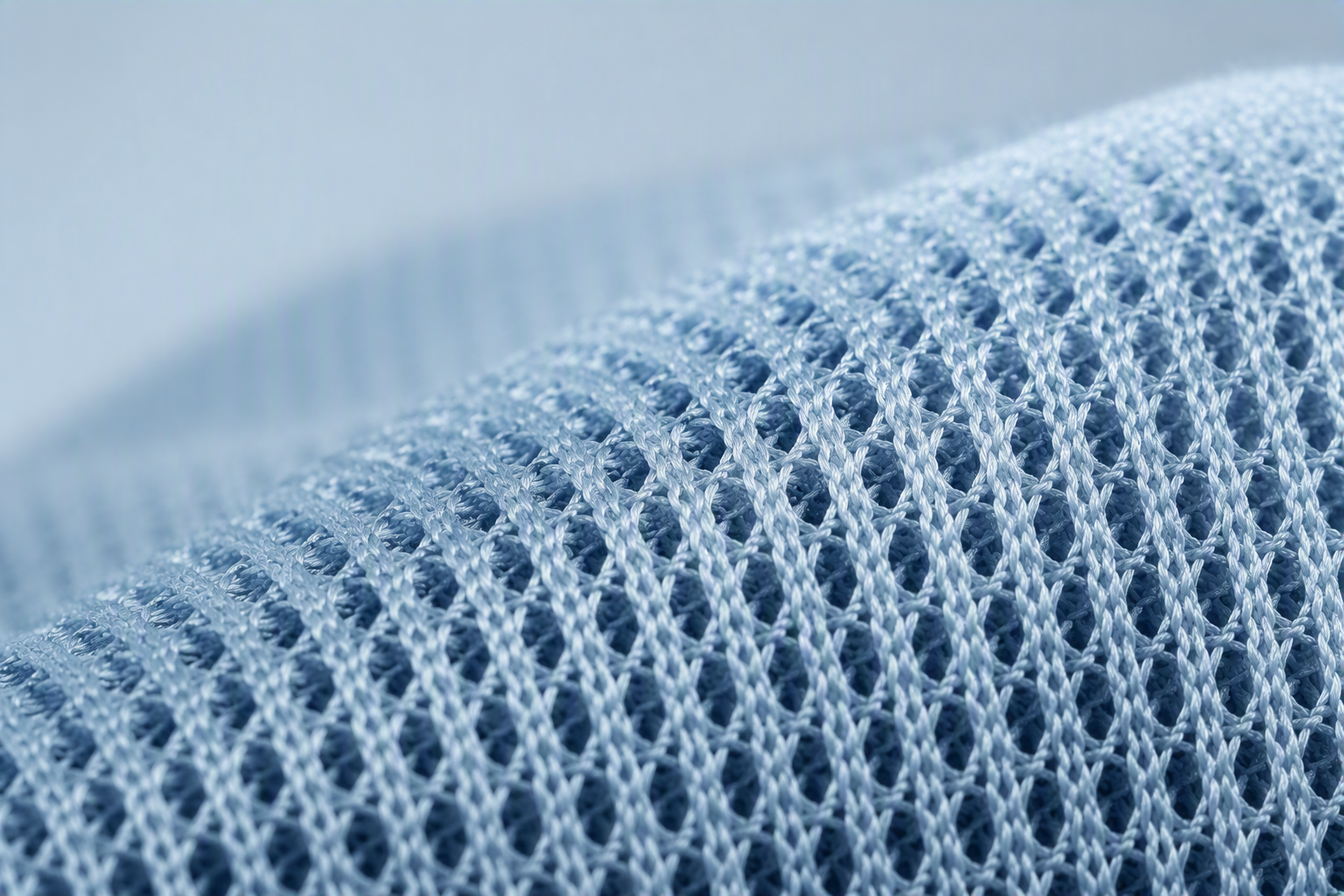
This is the headline difference. A regular duvet's loft is its whole point — it puffs up to trap a warm air layer. A cooling summer quilt is built to do the opposite: thinner, more even fill and an open weave that lets body heat escape and fresh air circulate. For a hot sleeper, breathability beats fluffiness every time.
Moisture management
Regular duvets and their covers vary wildly; many trap sweat. A well-made cooling summer quilt uses a moisture-wicking shell — fibers like Tencel/lyocell, eucalyptus, bamboo-derived viscose, or a smooth long-staple cotton percale — that pulls perspiration away and dries fast. If you tend to sweat, the best cooling bedding materials are worth studying closely, because the fabric does most of the work.
Weight and feel
Duvets often feel substantial and enveloping. Cooling summer quilts trend lighter, with a smooth, draped feel against the skin rather than a heavy hug. If you love the sensation of weight but hate the heat, look for a breathable quilt with a slightly denser — but still airy — build, rather than a lofty insulated duvet.
Temperature range and seasons
A heavy duvet is a one-season hero. A good cooling summer quilt is closer to all-season: light enough for summer, yet enough coverage to feel cozy in a cool, well-set-up bedroom the rest of the year. That versatility is a big reason hot sleepers gravitate toward them.
Care and maintenance
Duvets win on spot-cleaning convenience — you just wash the cover. But the bulky insert is a pain to launder and slow to dry, and damp down loses loft. A cooling summer quilt is usually machine-washable as one piece and dries quickly, which matters if night sweats mean frequent washes.
Hygiene over the long haul
This is the quietly important one. Heat plus trapped moisture is a perfect environment for odor, dust mites, and that musty feel old bedding develops. A breathable quilt that dries fast — and that you can launder easily and often — stays fresher between washes. A heavy duvet you rarely wash, protected by a cover that hides the buildup, can quietly become a heat-and-humidity problem you never see.
Cost over time
A duvet-plus-cover system can cost more up front (two purchases) but lets you restyle by swapping covers. A quality cooling summer quilt is a single, often longer-lasting buy. For pure cooling-per-dollar, the quilt route is usually the more direct path.
So which should a hot sleeper choose?
For most people who run warm, a cooling summer quilt is the better default. It's engineered for the exact problem you have — shedding heat and moisture — instead of fighting it. You skip the guesswork of pairing a hot duvet with a "breathable" cover that may or may not deliver.
That said, a duvet setup can absolutely work if you choose deliberately: a low-fill-power or summer-weight insert paired with a genuinely breathable natural-fiber cover. The mistake is assuming any duvet plus any cover will sleep cool. It won't.
A quick decision filter:
- Choose a cooling summer quilt if you sweat at night, live somewhere warm, want a simple grab-and-go layer, or value easy washing.
- Choose a duvet if you love swapping covers for style, want to fine-tune warmth by season with different inserts, and are willing to shop carefully for breathable materials.
- Either way, prioritize fabric and weight over the label on the box.
This is the thinking behind the Breeza Cooling Summer Quilt: a light, breathable, moisture-wicking layer designed specifically so hot sleepers don't have to choose between coverage and staying cool.
One more reframe worth keeping in mind: the quilt or duvet is the most adjustable thing in your bed. You can't easily swap your mattress or rebuild the room mid-summer, but you can change the layer on top tonight. That makes it the highest-leverage, lowest-effort upgrade for anyone who consistently sleeps hot — which is exactly why it deserves more thought than it usually gets.

Small upgrades that amplify either choice
Whatever you put on top, a few supporting moves make a real difference:
- Layer smart. A crisp percale or lyocell top sheet under your quilt adds a cool, breathable buffer you can adjust through the night.
- Mind the whole bed. Breathable sheets, a cooling pillow, and a temperature-aware mattress topper all stack with your quilt to keep your microclimate cool.
- Add targeted support. Side sleepers who run hot often pair their quilt with a breathable body pillow to improve alignment without trapping extra heat — just keep the cover fabric as airy as the quilt itself.
- Cool the room first. Even the best summer quilt struggles in a stuffy 75°F bedroom. A cooler, well-ventilated space lets your bedding do its job.
The bottom line
In the cooling summer quilt vs duvet matchup, the winner for hot sleepers is usually the cooling summer quilt — not because quilts are inherently better, but because the cooling versions are purpose-built for breathability, moisture-wicking, and an all-season, light-but-cozy feel. A duvet can compete only when you choose a summer-weight insert and a truly breathable cover on purpose.
Focus less on the name and more on fill, weight, and fabric. Get those right, pair them with a cool room and breathable layers, and those 2 a.m. cover-kicks can finally become a thing of the past.