
Why a Cooling Body Pillow Might Be the Upgrade Your Bed Is Missing
If you fall asleep hugging a pillow, wedge one between your knees, or build a little fortress of cushions every night, your body is telling you something: it wants support and contact. The problem is that most full-length pillows trap heat. You start the night cozy and wake up clammy, peeling the pillow away because it has turned into a warm, damp log against your skin.
A cooling body pillow solves both halves of that equation at once. It gives you the head-to-toe support that keeps your spine neutral, while a breathable, heat-wicking cover stops the pillow from becoming a personal radiator. For side sleepers, pregnant sleepers, and anyone who runs warm at night, it can be the single most underrated piece of bedding in the room.
This guide walks through what a cooling body pillow actually does, who benefits most, how to choose one, and how to use it so you get both better posture and a genuinely cooler night.

What a Cooling Body Pillow Actually Does
A body pillow is simply a long pillow, usually between 48 and 54 inches, designed to support multiple parts of your body in a single piece. A cooling body pillow adds temperature management to that job through two mechanisms:
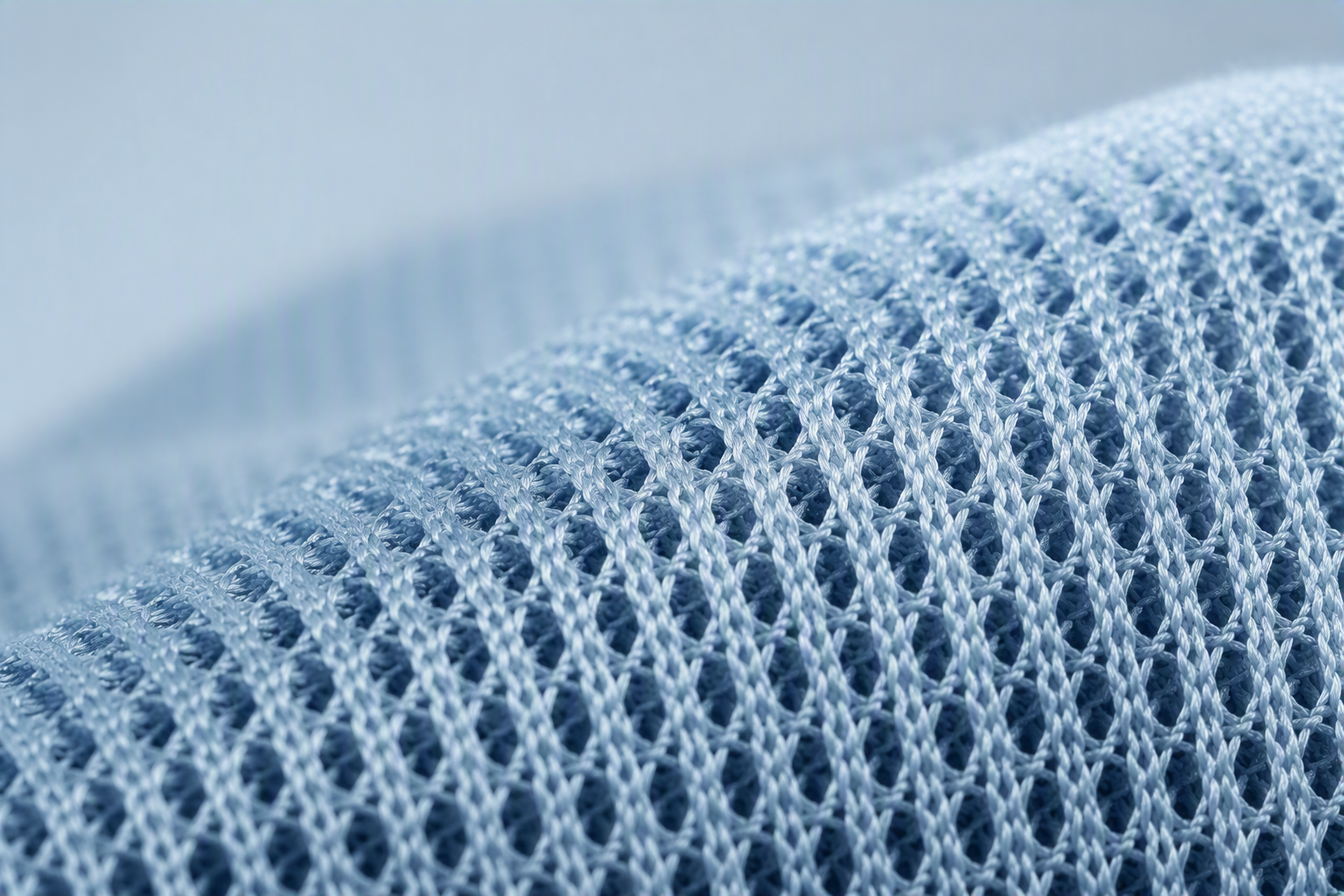
- A breathable cover. Fabrics like long-staple cotton, bamboo-derived viscose, Tencel, or engineered cooling weaves move heat and moisture away from your skin instead of holding it close.
- A fill that breathes. Shredded memory foam with ventilation channels, microfiber clusters, or down alternative blends allow air to circulate rather than compressing into a solid, heat-storing mass.
The result is contact comfort without the overheating penalty. You still get the reassuring weight and hug of a body pillow, but the surface stays closer to neutral skin temperature through the night.