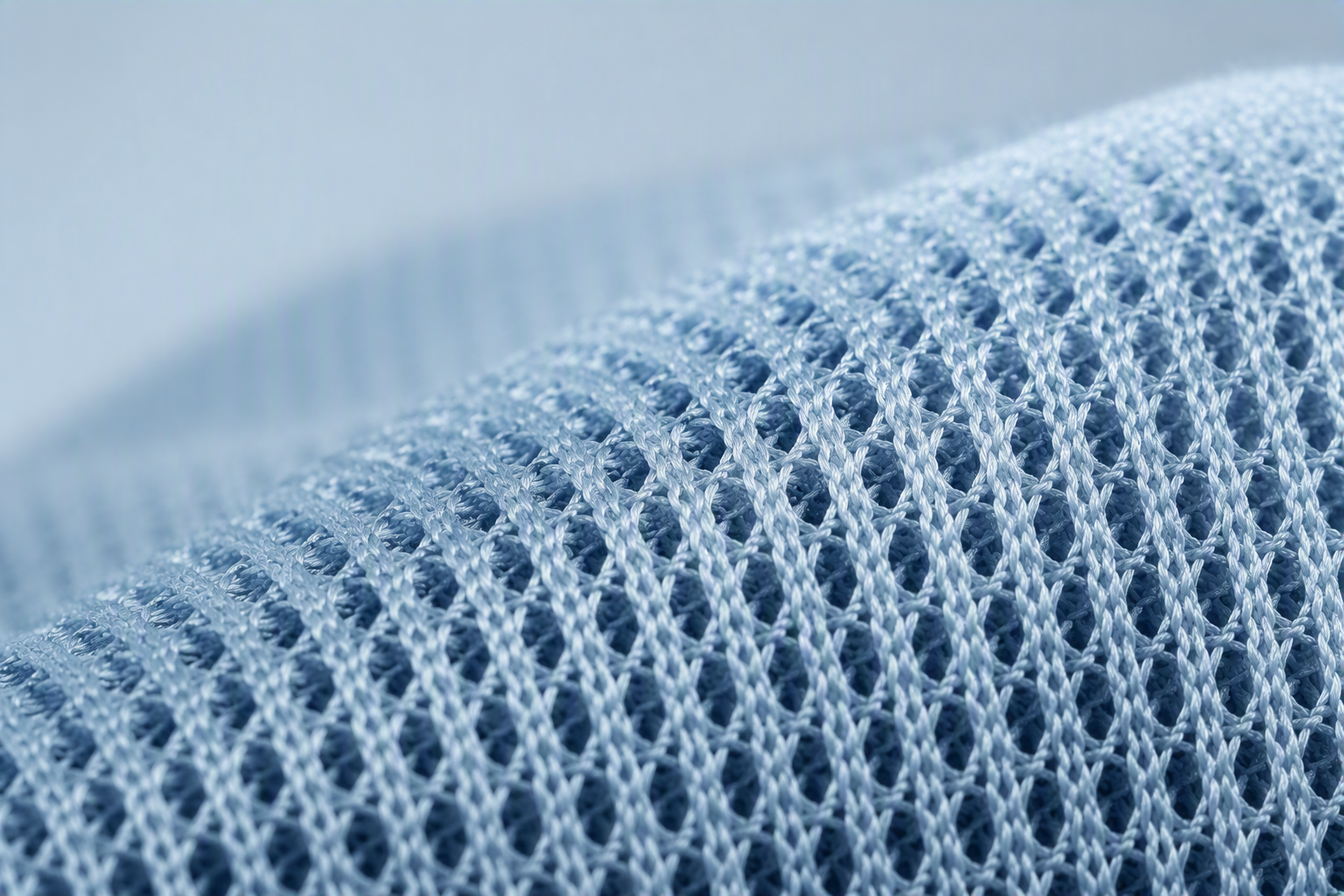
The Best Cooling Bedding Materials, Ranked for Hot Sleepers
From linen to lyocell to phase-change fabrics, here are the best cooling bedding materials ranked for hot sleepers — plus how to read a label and avoid heat traps.
Jun 2026· 9 min read
Key takeaways
Bedding fabric controls your sleep microclimate far more than your thermostat does.
Linen is the breathability champion; eucalyptus lyocell wins for wicking away sweat.
Weave matters: a percale cotton sleeps cooler than a dense, buttery sateen.
Avoid pure polyester and microfibre — they repel moisture and trap body heat.
Choose a cooling fibre over a sprayed-on cooling finish, which washes out in months.
Cool sheets only work if the comforter and pillow above them also shed heat.
Why Bedding Material Matters More Than the Thermostat
You can cool your bedroom to a perfect 18°C and still wake up clammy at 2 a.m. The culprit usually isn't the air temperature — it's the few millimetres of fabric pressed against your skin all night. Bedding sits inside your personal microclimate, the thin layer of air and humidity between you and the sheets. Get the material wrong and that microclimate turns into a sauna; get it right and your body sheds heat exactly the way it's designed to.
That's why choosing the best cooling bedding materials is one of the highest-leverage upgrades a hot sleeper can make. Fibre type, weave, and finish decide how quickly heat and moisture move away from your body — and whether you stay in the deep, restorative stages of sleep or surface again and again.
This guide ranks the materials that actually keep you cool, explains the science in plain language, and shows you how to read a label so you're not paying premium prices for hype. We'll cover the natural fibres, the engineered fabrics, the weaves that quietly make or break a sheet's performance, and the one material every hot sleeper should leave on the shelf.
How Bedding Keeps You Cool: The Three Levers
Before the rankings, it helps to understand what "cooling" really means in textiles. No fabric makes cold — but the best ones move heat and sweat away fast. Three properties do the heavy lifting:
Breathability (air permeability). How easily air passes through the fabric. More airflow means body heat escapes instead of pooling under the covers.
Moisture-wicking. How well a fibre pulls liquid sweat off your skin and spreads it to evaporate. Evaporation is
Frequently asked questions
Share
Ready to shop?
Explore the Breeza range with free shipping and 30-day returns.
Thermal effusivity (the "cool-to-the-touch" feel). How quickly a surface draws heat from your skin on contact. High-effusivity fabrics feel instantly cool when you slip into bed.
A genuinely cool bed balances all three. A fabric can feel cool to the touch yet trap humidity — or breathe beautifully yet feel warm at first contact. Matching material to your specific problem is the whole game, and it ties directly into how your body regulates temperature while you sleep.
The Best Cooling Bedding Materials, Ranked
1. Linen — the breathability champion
Made from flax fibres, linen has hollow, irregular structures that create natural air channels. It's one of the most breathable bedding materials you can buy, and it can absorb up to 20% of its weight in moisture before feeling damp without clinging to your skin. Because it dries quickly, it rarely holds the muggy warmth that lesser fabrics do, and it actually gets softer and more supple with every wash rather than wearing out.
Best for: very hot, humid sleepers and warm climates.
Trade-offs: wrinkles freely (part of the charm), pricier upfront, and stiff for the first few washes.
2. Eucalyptus Lyocell (TENCEL™) — the moisture master
Spun from sustainably harvested eucalyptus pulp, lyocell has a smooth, round fibre cross-section that's exceptional at wicking. It moves moisture roughly 50% more efficiently than cotton and feels silky and cool against the skin. It's also naturally resistant to the bacteria that cause night odours.
Best for: sweaty sleepers and anyone with sensitive skin.
Trade-offs: less durable than linen if washed roughly; quality varies widely by brand.
3. Bamboo Viscose — silky and forgiving
Bamboo-derived viscose drapes like silk, breathes well, and wicks moisture better than standard cotton. It's the budget-friendlier cousin of lyocell and a favourite for people who want a soft, cool sheet without a luxury price tag. Look for closed-loop ("lyocell-process") bamboo for the most reliable performance.
Best for: value seekers who want softness plus cooling.
Trade-offs: processing quality is inconsistent; cheap versions pill and lose their cool feel.
4. Cotton — but only the right kind
Not all cotton sleeps cool, which is where most shoppers go wrong. The cooling potential lives in the weave, not just the fibre. A percale weave — a crisp, breathable one-over-one-under construction — lets far more air through than a dense sateen, which floats more threads on the surface to trap warmth for that buttery, hotel-bed feel. Long-staple cottons like Egyptian or Pima are smoother and more durable, but the weave still wins: a modest-thread-count percale will out-cool a luxurious high-thread-count sateen every single night.
Best for: classic crisp-sheet lovers and easy maintenance.
Trade-offs: absorbs sweat and can stay damp; standard cotton retains heat.
Modern technical textiles add active cooling instead of relying on passive airflow alone. Some weave in treated yarns or jade and graphite minerals to raise thermal effusivity, so the surface keeps pulling heat from your skin. Others use phase-change materials (PCMs) — microscopic capsules that absorb body heat when you're warm and release it once you cool, smoothing out the temperature swings that wake you. These technologies power the best cooling comforters and pillows precisely because they manage heat dynamically across the whole night, not just for the first cool-to-the-touch moment.
Best for: chronic hot sleepers who run warm even in cool rooms.
Trade-offs: quality and durability vary; verify the technology is woven in, not a wash-away coating.
The One Material to Avoid
Skip pure polyester and microfibre sheets if you sleep hot. They're inexpensive and wrinkle-resistant, but the fibres are hydrophobic — they repel water instead of wicking it, so sweat sits on your skin and the bed feels clammy. Polyester also has low breathability and traps body heat. If you're constantly battling night sweats, your bedding fabric may be the hidden trigger; our guide on why you wake up hot and sweaty walks through the full chain of causes.
How to Read a Label Like a Pro
Marketing loves the word "cooling." Here's how to separate real performance from buzzwords:
Check the fibre first, the finish second. A cooling finish sprayed onto polyester washes out in a few months. A cooling fibre (linen, lyocell) is permanent.
Match the weave to your goal. Percale and open weaves for maximum airflow; smoother fibres like lyocell for moisture-heavy sweating.
Look for OEKO-TEX® certification. It confirms the fabric is free from harmful substances against your skin — important for something you breathe near for eight hours.
Be sceptical of thread count. Above ~400, higher numbers often mean denser, warmer fabric, not better. Breathability beats density for cooling.
Don't forget the layers above you. Sheets are only half the system. A heavy, heat-trapping duvet undoes everything — which is why a cooling comforter outperforms a traditional duvet for hot sleepers.
Building a Complete Cool-Sleep System
Materials work as a stack, not in isolation. The ideal hot-sleeper setup pairs a breathable sheet (linen or lyocell), a cooling comforter that vents heat instead of hoarding it, and a pillow that won't turn into a warm brick by midnight.
This is where engineered bedding earns its place. The Breeza Cooling Ice Silk Blanket is built around a high-effusivity, breathable fabric system designed to keep that under-the-covers microclimate stable from the moment you fall asleep through the early-morning hours — the window when most people overheat. Layered over a breathable sheet and a cooling pillow, it turns the whole bed into a heat-shedding surface rather than an insulator.
There's no single "coolest" fabric — there's the right material for your problem. If you sweat heavily, lead with lyocell or bamboo viscose for wicking. If you run hot in humid air, linen's airflow is unbeatable. If you love a crisp classic feel, choose percale cotton over sateen. And if nothing has worked, an engineered phase-change or high-effusivity system is the upgrade that finally regulates the night.
Whatever you choose, prioritise breathable bedding materials over thread-count bragging rights — and remember that the best cooling fabrics for bed only deliver when every layer, from sheet to comforter, is pulling in the same direction.
Written by
The Breeza Team
Sleep & cooling experts
We're the research and product team behind Breeza. We test cooling fabrics, dig through sleep science, and write practical guides to help hot sleepers stay cool through the night.