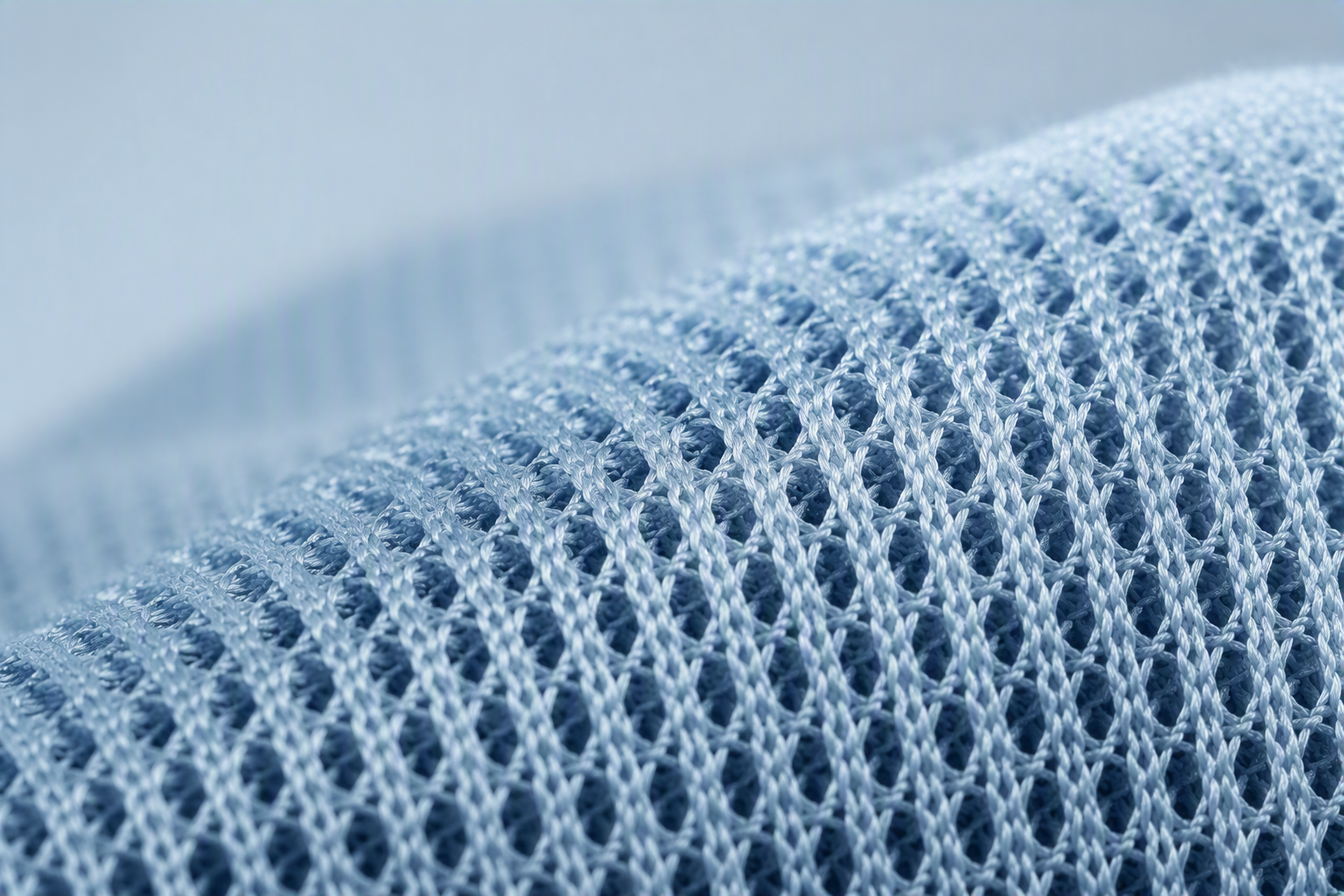
Schlafen Sie unter einer Kühldecke, nicht auf ihr – mit der glatten, kühlenden Seite an der Haut, nur leichten und atmungsaktiven Schichten darüber und einem Schlafzimmer zwischen 15,6 und 19,4 °C (60–67 °F). Machen Sie diese drei Dinge richtig, kann der Stoff seine eigentliche Aufgabe erfüllen: Wärme und Feuchtigkeit Stunde für Stunde von Ihrem Körper wegzuleiten.
Das ist der Kern davon, wie man eine Kühldecke verwendet. Doch kleine Fehler bei der Anordnung – falsche Seite oben, eine schwere Bettdecke obendrauf, ein stickiges Zimmer – sind der Hauptgrund, warum Menschen entscheiden, ihre Decke „funktioniere nicht“. Dieser Leitfaden geht die komplette Anordnung Schicht für Schicht durch: welche Seite wohin gehört, allein oder in Schichten, saisonale Anpassungen, was Sie in der ersten Nacht erwarten dürfen und wie Sie eine Decke reparieren, die sich nicht mehr kühl anfühlt.
Kühldecke verwenden: Die schnelle Antwort in 5 Schritten
Zunächst eine Definition in einem Satz: Eine Kühldecke ist Bettzeug aus kühlem, feuchtigkeitsableitendem Stoff, das darauf ausgelegt ist, Wärme von Ihrem Körper wegzuleiten, statt sie einzuschließen, wie es Fleece oder schwere Baumwolle tun.
Hier die gesamte Methode in Kurzform:
- Finden Sie die kühlende Seite. Die glatte, seidige, dichter wirkende Fläche ist die Kühlseite; die weichere oder waffelartige Rückseite ist die isolierende Seite.
- Legen Sie sie direkt an Ihre Haut. Was auch immer sonst auf dem Bett liegt, die Kühldecke ist immer Ihre innerste Schicht.
- Allein oder leicht schichten. In heißen Nächten verwenden Sie sie allein. In kühleren Nächten legen Sie eine dünne, atmungsaktive Steppdecke oder ein Oberbett darüber – niemals darunter.
- Kühlen Sie das Zimmer und kleiden Sie sich leicht. Streben Sie 15,6–19,4 °C (60–67 °F) an, halten Sie die Luft mit einem Ventilator oder einem gekippten Fenster in Bewegung und tragen Sie dünne Nachtwäsche aus Baumwolle oder Bambus.
- Geben Sie ihr 3–5 Nächte. Die eisige erste Berührung verblasst konstruktionsbedingt innerhalb von Minuten; beurteilen Sie die Decke an weniger verschwitzten Aufwachmomenten über mehrere Nächte hinweg, nicht an den ersten drei Minuten.
Wenn Sie noch überlegen, ob diese Kategorie überhaupt etwas für Sie ist, beginnen Sie mit unserer Einführung dazu, was Kühldecken sind und wem sie helfen. Der Rest dieses Leitfadens setzt voraus, dass die Decke bereits auf Ihrem Bett liegt und Sie möchten, dass sie mit voller Leistung arbeitet.

Wie eine Kühldecke tatsächlich funktioniert (und was sie nicht kann)
Den Mechanismus zu verstehen dauert zwei Minuten und verhindert die meisten Anwendungsfehler. Passive Kühldecken beruhen auf drei Dingen, die zusammenwirken:
- Leitfähige, kühlende Fasern. Glatte, dichte synthetische Garne – Nylon und Mischungen aus Viskose im Eisseiden-Stil – leiten Wärme schneller von Ihrer Haut weg, als es flauschige Baumwolle oder Polyester-Fleece können. Das ist das Gefühl von „kalt bei Berührung“.
- Feuchtigkeitsableitung und Verdunstung. Das Gewebe zieht Schweiß von Ihrer Haut und verteilt ihn über die Stofffläche, wo er verdunstet. Verdunstung ist das stärkste natürliche Kühlwerkzeug des Körpers, was feuchtigkeitsableitendes Bettzeug zum stillen Arbeitspferd des gesamten Systems macht.
- Offene, atmungsaktive Konstruktion. Ein relativ lockeres Gestrick lässt warme, feuchte Luft aus dem Bett-Mikroklima entweichen, statt sich um Sie herum anzustauen.
Einige hochwertige Designs fügen Phasenwechselmaterial (PCM) hinzu – Mikrokapseln, die Wärme aufnehmen, wenn sie nahe der Hauttemperatur „schmelzen“ –, aber die drei passiven Mechanismen oben leisten in den meisten Produkten den Großteil der Arbeit.
Die Zahl, die niemand erklärt: Q-max. Die Kühl-bei-Berührung-Leistung wird als Q-max gemessen – der momentane Wärmefluss von Ihrer Haut in den Stoff beim ersten Kontakt, in Watt pro Quadratzentimeter. Bei etwa 0,2 W/cm² beginnt ein Stoff, sich spürbar kühl anzufühlen; gut konstruierte Eisseiden-Gewebe liegen im Test im Bereich von 0,3–0,5 W/cm², während ein gewöhnliches Baumwolllaken näher bei 0,1 liegt. Zwei Decken können auf Fotos identisch aussehen und sich auf der Haut völlig unterschiedlich anfühlen – Q-max ist meist der Grund, und es lohnt sich, ihn vor dem Kauf zu prüfen.
Nun die ehrliche Physik. Eine passive Decke kann nicht unter Raumtemperatur kühlen. Sie hat kein Kältemittel und keinen Kompressor – sie funktioniert, indem sie der Wärme Ihres Körpers einen Ort gibt, an den sie gehen kann, und sie braucht ein Temperaturgefälle plus Luftstrom, um diese Wärme weiter in den Raum abzugeben. In einem abgeschlossenen Schlafzimmer mit 30 °C (86 °F) erreicht selbst der beste Stoff irgendwann ein Plateau. Das ist kein Defekt; das ist Thermodynamik.
Warum machen ein paar Grad Mikroklima trotzdem so viel aus? Ihre Körperkerntemperatur sinkt beim Einschlafen natürlicherweise um etwa 1 °C (1,8 °F), und Forschung, die in der National Library of Medicine gesammelt ist, zeigt, dass Hitzeeinwirkung – besonders feuchte Hitze – die Wachheit erhöht und Tief- und REM-Schlaf verkürzt. Eine Kühldecke hilft diesem natürlichen Temperaturabfall, statt ihn zu bekämpfen. Den vollständigen Mechanismus entfalten wir in unserem Leitfaden dazu, wie Kühlbettzeug Wärme von Ihrem Körper wegleitet, und die Biologie in unserer Erklärung zu Körpertemperatur und Thermoregulation während des Schlafs.
Schritt 1: Finden Sie die Kühlseite (ja, es gibt eine falsche Seite)
Die meisten Kühldecken sind zweiseitig: Eine Fläche ist für Wärmeübertragung ausgelegt, die andere für Komfort, Halt und Haltbarkeit. Die falsche Seite oben zu verwenden ist der mit Abstand häufigste Grund, warum Menschen schlussfolgern, ihre Decke „tue nichts“ – drehen Sie sie um, bevor Sie sonst irgendetwas an Ihrer Anordnung ändern.

Drei schnelle Wege, die Kühlseite zu erkennen:
- Der Tasttest. Fahren Sie mit Ihrer Handfläche langsam über beide Flächen. Selbst in einem warmen Zimmer fühlt sich die Kühlseite deutlich kühler an, weil sie schneller Wärme aus Ihrer Hand zieht.
- Der Blick. Die Kühlfläche ist meist glatter, dichter und leicht glänzender – ein flaches, seidiges Gestrick. Die Rückseite ist oft aufgeraut, waffelartig oder sichtbar gesteppt.
- Das Etikett. Viele Marken drucken „diese Seite nach oben“ oder ein Schneeflockensymbol auf das Pflegeetikett, und das Etikett selbst sitzt meist auf der isolierenden Seite.
Bei einem zweiseitigen Design wie der Breeza Cooling Ice Silk Blanket ist der Unterschied leicht zu spüren: Die Kühlfläche hat eine glasglatte Haptik, während die Rückseite ein weicheres Gestrick ist, das die Decke an ihrem Platz hält. Kühlfläche immer zum Körper.
Allein oder in Schichten? Wo die Kühldecke in Ihrem Bett hingehört
Eine goldene Regel gilt für jede Anordnung: Die Kühldecke liegt am nächsten an Ihrem Körper. Kühlstoff funktioniert durch Kontakt – er kann nur Wärme aus dem ziehen, was er tatsächlich berührt. Alles andere auf dem Bett stapelt sich darüber. Innerhalb dieser Regel gibt es drei gute Anordnungen.
Allein (heißeste Nächte)
Direkter Hautkontakt gibt den maximalen Kühl-bei-Berührung-Effekt. In Hitzewellennächten, in Zimmern ohne Klimaanlage oder während eines Schub von Nachtschweiß verwenden Sie die Decke völlig allein – kein Laken darüber, nichts obendrauf. Wenn Sie aus Hygienegründen ein Laken mögen, legen Sie es unter die Decke, zwischen sich und die Matratze, nicht darüber.
Unter einem Oberbett oder einer Bettdecke (kühlere Nächte)
Ja, Sie können eine Bettdecke oder ein Oberbett über eine Kühldecke legen – genau so verwenden Sie eine im Frühling, Herbst und Winter. Die Kühlschicht steuert Feuchtigkeit und Hauttemperatur; das Oberbett liefert Wärme. Wissen Sie nur um den Kompromiss: Jede Schicht darüber reduziert den Kühleffekt, ungefähr im Verhältnis dazu, wie dick und luftdicht sie ist.
Halten Sie die oberste Schicht so leicht und atmungsaktiv, wie es Ihr Klima erlaubt. Wenn ein volles Oberbett zu viel ist, Sie aber nicht ohne Decke schlafen können, tauschen Sie es gegen eine leichte Kühlsteppdecke – etwas im Bereich von 200–300 g/m², wie die Breeza Cooling Summer Quilt, gibt Ihnen das zugedeckte, sanft beschwerte Gefühl ohne die eingeschlossene Wärme eines Winter-Oberbetts mit über 400 g/m². Zur grundsätzlichen Entscheidung zwischen Daunen- und technischen Füllungen siehe unseren Vergleich Kühldecke gegen normales Oberbett.
Eines sollten Sie niemals tun: die Kühldecke über das Oberbett legen. Dort oben berührt sie nichts als Luft und tut absolut nichts für Sie.
In einem Bettbezug oder mit einem Laken
Manchen Schlafenden ist der direkte Kühlkontakt zu kalt, besonders in den ersten Minuten. Zwei sanftere Optionen bewahren den Großteil des Nutzens:
- Ein dünnes Laken zwischen Ihnen und der Decke. Ein leichtes Laken aus Baumwolle oder Bambus behält den Großteil der Feuchtigkeitsableitung und Atmungsaktivität, während es das Kalt-Kontakt-Gefühl dämpft. Rechnen Sie damit, vielleicht ein Fünftel der anfänglichen Kühle zu verlieren und nur sehr wenig der Regulierung über die ganze Nacht.
- In einem Bettbezug. Wenn Ihre Kühldecke auch als Inlett dient, legen Sie sie im Bezug auf die Körperseite und wählen Sie den dünnsten, atmungsaktivsten Bezugsstoff, den Sie finden – Perkal-Baumwolle oder Bambus, nicht aufgeraute Mikrofaser. Je dünner der Bezug, desto weniger Kühlung verlieren Sie.
Saison für Saison: Wie Sie eine Kühldecke das ganze Jahr über verwenden
Der größte Mythos über Kühldecken ist, dass sie eine reine Sommeranschaffung seien. Nachtschweiß, Hitzewallungen in den Wechseljahren, heizungstrockene Winterschlafzimmer und warm schlafende Partner richten sich nicht nach dem Kalender. Hier der Spielplan für das ganze Jahr:
- Sommer: allein, Kühlseite zur Haut, Ventilator auf niedriger Stufe. Laken unter der Decke, falls Sie eines möchten.
- Hitzewellen: allein plus aktiver Luftstrom. Ein Durchzug oder Ventilator ist nicht verhandelbar, denn die Decke braucht bewegte Luft, um Ihre Wärme weiter in den Raum abzugeben.
- Frühling und Herbst: Kühldecke darunter, leichte Steppdecke (200–300 g/m²) obendrauf. Wenn Sie um 2 Uhr nachts überhitzen, schieben Sie die Steppdecke weg – die Kühlschicht bleibt genau dort, wo sie sein soll.
- Winter: Kühldecke unter Ihrem normalen Oberbett. Zentralheizung trocknet Schlafzimmer aus und überhitzt sie oft über 21 °C (70 °F); die Kühlschicht steuert leise Schweiß und Hauttemperatur, während das Oberbett für die Wärme sorgt.

Wenn nächtliches Überhitzen ein chronisches statt eines saisonalen Problems ist, lohnt es sich, über Nachtschweiß – seine Ursachen und wie Kühlbettzeug hilft zu lesen. Anhaltender durchnässender Schweiß verdient ein Gespräch mit Ihrem Arzt, nicht nur besseres Bettzeug.
Richten Sie das Zimmer so ein, dass die Decke ihre Arbeit tun kann
Eine Kühldecke steuert das Mikroklima zwischen Ihnen und Ihrem Bettzeug. Das Zimmer setzt die Obergrenze dessen, was sie erreichen kann, geben Sie ihr also eine faire Chance:
- Temperatur: 15,6–19,4 °C (60–67 °F). Das ist der Bereich, den die Sleep Foundation für die meisten Erwachsenen empfiehlt. Jedes Grad darüber verkleinert das Temperaturgefälle, mit dem die Decke arbeitet.
- Luftstrom ist der Multiplikator. Ein Ventilator auf niedriger Stufe oder ein gekipptes Fenster hält warme Luft in Bewegung vom Bett weg, sodass das Gefälle nie ins Stocken gerät. Richten Sie den Ventilator quer über das Bett, nicht direkt in Ihr Gesicht.
- Feuchtigkeit dämpft die Ableitung. Verdunstung verlangsamt sich dramatisch, sobald die relative Luftfeuchtigkeit über etwa 60 % steigt, und Verdunstung ist die Hälfte des Mechanismus der Decke. In schwülen Klimazonen lässt ein Luftentfeuchter – oder der Trockenmodus Ihrer Klimaanlage – dieselbe Decke spürbar kühler wirken. Fast kein Anwendungsleitfaden erwähnt das, und es ist wichtig.
- Prüfen Sie, was darunter liegt. Eine dichte Memory-Foam-Matratze und Laken aus Polyester-Mikrofaser speichern beide Wärme und arbeiten von unten gegen Ihre Decke. Atmungsaktive Laken aus Baumwolle oder Bambus arbeiten stattdessen mit ihr zusammen.
Gar keine Klimaanlage? Die Decke hilft trotzdem, aber kombinieren Sie sie mit den Tricks auf Raumebene aus unserem Leitfaden zum kühlen Schlafen ohne Klimaanlage. Ein durchgehend kühles, dunkles, ruhiges Zimmer ist auch eine der Kerngewohnheiten, die die Schlaf-Ressourcen der CDC generell für gesünderen Schlaf empfehlen.
Was Sie tragen sollten (und was den Effekt ruiniert)
Kühlstoff braucht Kontakt und Atmungsaktivität, daher zählt Nachtwäsche mehr, als die meisten Menschen erwarten.
Funktioniert: bloße Haut oder dünne, lockere Schichten aus Baumwolle, Bambusviskose oder Tencel. Diese lassen Wärme und Feuchtigkeit direkt zur Decke durch, sodass die Ableitungskette von der Haut bis zur Raumluft ununterbrochen bleibt.
Ruiniert ihn: Fleece-Pyjamas, schwere Jogginghosen, dicke Kapuzenpullis. Sie isolieren Sie von Ihrer Kühlschicht – funktional haben Sie ein Oberbett unter die Decke gelegt.
Ein unglamouröser Tipp: Trinken Sie an heißen Abenden ausreichend. Feuchtigkeitsableitende Stoffe kühlen Sie, indem sie Ihren Schweiß verdunsten, und ein dehydrierter Körper schwitzt weniger effizient, sodass das ganze System etwas schlechter läuft.
Vervollständigen Sie die Anordnung: Kissen, Maske und das Problem der Kopfwärme
Hier ist ein blinder Fleck in fast jedem Kühldecken-Leitfaden: Kopf und Nacken gehören zu den geschäftigsten Wärmeaustauschzonen des Körpers, und sie verbringen die Nacht meist gegen das heißeste Objekt im Bett gepresst. Eine kühle Decke unter einem wärmegesättigten Kissen ist eine halbe Lösung.
Machen Sie eine schnelle „Kaltstellen-Prüfung“ Ihrer gesamten Schlaffläche:
- Kissen. Herkömmlicher Memory-Foam ist ein Wärmeschwamm. Ein belüftetes, gel-durchsetztes Design wie das Breeza Cooling Memory Pillow hält die Kopf- und Nackenzone im selben Temperaturbereich wie den Rest des Bettes.
- Licht. Die Sommerdämmerung kommt lange vor Ihrem Wecker. Eine konturierte Maske wie die Breeza Cooling 3D Sleep Mask blockt das Licht um 4 Uhr morgens, ohne warmen, schweißanfälligen Stoff flach gegen Ihre Augen zu drücken, wie es flache Masken tun.
- Laken und Matratze, wie im Abschnitt zur Zimmereinrichtung oben behandelt.
Die Prüfung lohnt sich mit den Produkten jeder Marke. Das Prinzip ist einfach, dass eine heiße Zone eine sonst kühle Anordnung zunichtemachen kann.

Ihre erste Nacht: Was Sie erwarten dürfen (und die 3-Nächte-Regel)
Setzen Sie Ihre Erwartungen richtig, und Sie werden nie eine gute Decke aus dem falschen Grund zurückgeben.
Minute 0–10: das stärkste Kühl-bei-Berührung-Gefühl. Stoff mit hohem Q-max leitet rasch Wärme aus Ihrer Haut. Das ist der „Wow“-Moment – und er verblasst. Während sich die Stofffläche zur Hauttemperatur hin erwärmt (etwa 33–35 °C / 91–95 °F), wird das eisige Gefühl weicher. Das ist normal, kein Versagen. Die Kontaktkühle ist der Händedruck; die Regulierung ist die Beziehung.
Stunde 1–7: die eigentliche Arbeit. Feuchtigkeitsableitung und Atmungsaktivität exportieren die ganze Nacht über weiter Wärme und Feuchtigkeit. Sie werden sich nicht bewusst „kalt“ fühlen – Sie werden das Ausbleiben von Problemen bemerken: keine klammen Laken, kein Wegstrampeln der Decke um 2 Uhr nachts, weniger Aufwachmomente, trockenes Erwachen. Tiefschlaf konzentriert sich in der ersten Nachthälfte und zerfällt leicht unter Hitzestress, weshalb ununterbrochene kühle Stunden weit mehr zählen als ein eisiger erster Eindruck. Die Schlafwissenschafts-Einführungen bei Harvard Health sind ein guter Ausgangspunkt dazu, warum Schlafkontinuität so wertvoll ist.
Die 3-Nächte-Regel: Beurteilen Sie die Decke nach 3–5 Nächten korrekter Verwendung – Kühlseite unten, leichte Schichten, kühle bewegte Luft –, nicht nach drei Minuten. Und bleiben Sie bei der Physik ehrlich: Das ist ein Wärmekanal, keine Klimaanlage. In einer stickigen Nacht mit 30 °C (86 °F) wird sie unterdurchschnittlich abschneiden, es sei denn, Sie geben ihr einen Ventilator.
Fehlersuche: „Meine Kühldecke fühlt sich nicht mehr kühl an“
Gehen Sie diese Checkliste der Reihe nach durch – die Lösung ist meist der erste oder zweite Punkt:
- Falsche Seite oben? Drehen Sie sie um, sodass die glatte, dichte Fläche Ihre Haut berührt.
- Ablagerung von Hautfett und Schweiß? Nach ein paar Wochen Sommernutzung verstopft ein unsichtbarer Film aus Hautölen die ableitende Fläche. Ein kalter, schonender Waschgang mit mildem Flüssigwaschmittel stellt sie wieder her – oft dramatisch.
- Schwere Schicht obendrauf? Ein dickes Oberbett oder eine zweite Decke darüber erstickt den Effekt. Machen Sie es leichter oder entfernen Sie es.
- Gefaltet oder doppelt gelegt? Eine doppelt gelegte Decke isoliert sich selbst. Breiten Sie sie flach aus, einlagig.
- Zimmer zu heiß oder feucht? Über etwa 24 °C (75 °F) oder 60 % Luftfeuchtigkeit bleibt der passiven Kühlung kaum ein Gefälle zum Arbeiten. Ventilator an, Thermostat runter, Luftentfeuchter falls nötig.
Wenn Sie alle fünf durchgegangen sind und die Decke sich immer noch heiß anfühlt, könnte das Produkt selbst das Problem sein. Sehr dünne Billiggewebe können ihr Kühl-bei-Berührung-Gefühl innerhalb der ersten Stunde verlieren und nie wirklich regulieren; Gewebedichte, Faserqualität und Q-max-Werte variieren enorm zwischen den Produkten. Unser Kaufratgeber hilft Ihnen, die beste Kühldecke für Ihren Schlafstil zu finden, wenn es Zeit für ein Upgrade ist.
Wie man eine Kühldecke wäscht, ohne die Kühle zu töten
Pflegefehler – nicht das Alter – sind es, was die meisten Kühldecken dauerhaft ruiniert. Die Kurzfassung:
- Maschinenwäsche kalt (unter 30 °C / 86 °F) im Schonwaschgang.
- Verwenden Sie nur mildes Flüssigwaschmittel. Niemals Bleiche und niemals Weichspüler – Weichspüler überzieht die Fasern mit einem wachsartigen Film, der die Ableitungskanäle für immer verstopft.
- Flach an der Luft trocknen, außerhalb direkter Sonne. Hohe Trocknerhitze kann kühlende Synthetikfasern dauerhaft verformen.
- Bei starker Sommernutzung waschen Sie etwa alle zwei Wochen, um den Ölfilm zu entfernen, bevor er das Kühlgefühl abstumpft.
- Lagern Sie sie vollständig trocken in einem atmungsaktiven Baumwollbeutel – niemals langfristig vakuumkomprimiert, das zerdrückt das Gewebe.

Das ist tatsächlich alles, was die meisten Menschen brauchen. Für Waschmittelwahl, Fleckenbehandlung und Maschineneinstellungen siehe unsere dedizierte Schritt-für-Schritt-Anleitung dazu, wie man eine Kühldecke wäscht – und für Lagerung, Entpillen und den Ersatzzeitpunkt über das ganze Jahr hinweg hat Sie der vollständige Pflegeleitfaden für Kühldecken abgedeckt.
Wer am meisten von einer Kühldecke hat
Kühldecken sind Komfortwerkzeuge, keine Medizinprodukte – aber der Komfortgewinn ist für einige Gruppen am größten:
- Heißschläfer, denen in jeder Saison warm ist, nicht nur im Juli.
- Nachtschweiß und Wechseljahre. Hitzewallungen und Schweißausbrüche reagieren gut auf ein kühleres Schlaf-Mikroklima. Die Mayo Clinic weist darauf hin, dass Nachtschweiß viele mögliche Ursachen hat, wiederkehrender durchnässender Schweiß ist also einen medizinischen Check wert, selbst während Sie das Bett bequemer machen.
- Abende nach dem Training, wenn metabolische Wärme noch lange nach dem Zubettgehen anhält.
- Paare mit unterschiedlichen Thermostaten. Ein unterschätzter Trick: Der warme Schläfer nimmt die Kühldecke allein auf seiner Seite, während der kalte Schläfer auf seiner ein Oberbett behält. Zwei Mikroklimata, ein Bett, kein Thermostatkrieg.
Kinder und Haustiere: Eine gewöhnliche passive Kühldecke ist einfach atmungsaktiver Stoff – sicher für Kinder, die alt genug sind, um mit normalen Decken zu schlafen, und in Ordnung für Haustiere, obwohl Krallen feine Gestricke hängen bleiben lassen können. Gewichtsdecken zum Kühlen sind ein anderer Fall: Befolgen Sie die Mindestangaben des Herstellers zu Alter und Körpergewicht und beaufsichtigen Sie kleine Kinder entsprechend.
Das Fazit
Wie man eine Kühldecke verwendet, in einem Atemzug: Kühlseite an Ihrer Haut, Decke am nächsten an Ihrem Körper, nur leichte atmungsaktive Schichten darüber, ein Zimmer mit 15,6–19,4 °C (60–67 °F) und bewegter Luft und ein fairer Test über 3–5 Nächte, bevor Sie urteilen. Waschen Sie sie alle paar Wochen kalt, verzichten Sie auf Weichspüler, und sie wird Nacht für Nacht leise weiter Wärme exportieren – in Augusthitzewellen und überhitzten Januarschlafzimmern gleichermaßen.