
لماذا لا تستطيع النوم (ولماذا الأمر قابل للإصلاح)
معظم البالغين الأصحّاء يغفون خلال 10 إلى 20 دقيقة. وإذا كنت تستلقي مستيقظاً بانتظام لمدة أطول من ذلك بكثير، فأنت لست معطوباً ولست وحدك. بدء النوم عملية تسليم فسيولوجية: على دماغك أن يخفّض يقظته، وعلى درجة حرارة جسمك الأساسية أن تنخفض، وعلى جهازك العصبي أن ينتقل من وضع «التحرّك» إلى وضع «الراحة». وحين تتعثّر أيّ خطوة من هذه الخطوات، تتعثّر العملية كلّها معها.
الخبر الجيّد أنّ النوم مهارة مبنية على الظروف لا على قوّة الإرادة. لا يمكنك إجبار النوم، لكن يمكنك أن تهيّئ له المسرح بشكل موثوق. والوقت الذي تستغرقه حتى تغفو، المعروف بكُمون النوم، هو من أكثر الأمور استجابةً في صورة نومك بأكملها، ما يعني أنّ تغييرات صغيرة مدروسة كثيراً ما تُظهر نتائج خلال أيام.
فيما يلي 12 تقنية تُحدث فرقاً حقيقياً، مرتّبة من أسرع الحلول داخل السرير إلى العادات الأكبر التي تؤتي ثمارها ليلة بعد ليلة. اختر تقنيتين أو ثلاثاً للبدء، والتزم بها أسبوعاً، وراقب كم تتقلّص تلك الفجوة بين إطفاء النور والنوم الحقيقي.

هدّئ الجهاز العصبي أولاً
إذا كان عقلك ينطلق مسرعاً لحظة ملامسة رأسك للوسادة، فإنّ جسمك ما يزال في حالة كرّ أو فرّ خفيفة. هذه التقنيات تخبره أنّ الخطر قد زال.
1. جرّب طريقة التنفّس 4-7-8
استنشق بهدوء عبر أنفك لمدة 4 ثوانٍ، واحبس النَّفَس 7 ثوانٍ، ثم ازفر ببطء عبر فمك لمدة 8 ثوانٍ. كرّر أربع دورات. الزفير الطويل يُنشّط جهازك العصبي نظير الودّي، فيبطئ نبضات قلبك ويُرسل إشارة الأمان. يبدو الأمر بسيطاً إلى حدّ يكاد يكون مبالغاً فيه، وهذا بالضبط سبب تخطّي الناس له وبقائهم مستيقظين. وإذا بدا حبس النَّفَس في 4-7-8 كثيراً في البداية، فإنّ نسخة أرفق (شهيق 4، زفير 6) تمنح التأثير المهدّئ نفسه بفضل الزفير المُطوّل.
2. قم بمسح استرخاء عضلي تدريجي
ابدأ من قدميك وارتقِ صعوداً، شُدّ كل مجموعة عضلية خمس ثوانٍ ثم أرخِها. التباين بين الشدّ والإرخاء يساعدك على ملاحظة التوتّر الخفيّ في فكّك وكتفيك ويديك وإطلاقه، فهذه المواضع هي التي يخزّن فيها معظمنا ضغوط اليوم.

3. استخدم «الخلط المعرفي»
اختر كلمة عشوائية محايدة، ثم تخيّل شيئاً لا علاقة له بكل حرف من حروفها. الهدف محاكاة الصور المفكّكة وغير المنطقية التي ينتجها دماغك قبيل النوم مباشرة، ما يُزيح برِفق التفكير القَلِق الخطّي. إنّه بديل قليل الجهد لعدّ الخراف، لكن وراءه منطق حقيقي.
4. أعِد تأطير الضغط بالقصد المتناقض
إذا كنت متوتّراً من عدم النوم، فجرّب أن تقول لنفسك بلطف أن تبقى مستيقظاً. إزالة ضغط الأداء تقطع حلقة القلق التي تُبقي كثيرين محدّقين في السقف. النوم يميل إلى المجيء حين تكفّ عن مطاردته.
اضبط التوقيت والضوء
يعمل جسمك وفق ساعة داخلية، ويمكنك إمّا أن تتعاون معها أو أن تحاربها. هذه العادات تُزامن توقيتك ليأتي النوم في موعده. وفهمُ الصورة الأكبر حول كيفية النوم بشكل أفضل ليلة بعد ليلة يجعل كلاً منها أعمق أثراً.
5. حافظ على ثبات وقت النوم والاستيقاظ
الخلود إلى النوم والاستيقاظ في الوقت نفسه تقريباً كلّ يوم، بما في ذلك عطلة نهاية الأسبوع، يُدرّب إيقاعك اليوماوي على إفراز الميلاتونين في موعده. ووقت الاستيقاظ الثابت هو أقوى رافعة منفردة هنا، لأنّه يضبط مؤقّت الليلة التالية كاملةً.
6. ضوء ساطع باكراً، وضوء خافت متأخراً
ضوء الشمس الصباحي خلال ساعة من الاستيقاظ يشحذ يقظتك النهارية ويقدّم نافذة نومك. وفي المساء، خفّت أضواء السقف وانتقل إلى مصابيح دافئة منخفضة كي يقرأ دماغك الإشارة بأنّ الليل قد حلّ.
7. ضع الهاتف جانباً قبل النوم
ضوء الشاشة الغنيّ بالأزرق يُثبّط الميلاتونين، لكنّ المشكلة الأكبر هي التحفيز: التمرير والمراسلة وقراءة الأخبار المُحبِطة تُبقي عقلك منشغلاً حين ينبغي له أن يخمد. اضبط حظر تجوّل للشاشات من 30 إلى 60 دقيقة قبل النوم، ودع جهازك العصبي ينساب نحو النوم. وإذا استيقظت في الليل تنطبق القاعدة نفسها، ودليلنا حول لماذا تستيقظ عند الثالثة فجراً يشرح ما يجب فعله بدلاً من مدّ اليد إلى الهاتف.

برّد جسمك كي تنطفئ
هنا الرافعة التي يغفل عنها معظم الناس: الحرارة. لكي يبدأ النوم، تنخفض درجة حرارة جسمك الأساسية طبيعياً بنحو 0.5 إلى 1 درجة مئوية، وهذا الانخفاض من أقوى المحفّزات البيولوجية لبدء النوم. وإذا كانت غرفتك أو فراشك يحبسان الحرارة، فأنت تحجب جسدياً الإشارة التي يحتاجها جسمك.
8. اجعل الغرفة باردة
يشير معظم باحثي النوم إلى نحو 15 إلى 19 درجة مئوية بوصفها النطاق المثالي. الغرفة الأبرد تساعد جسمك على التخلّص من الحرارة والانزلاق إلى النوم أسرع. لا يوجد رقم واحد مثالي للجميع، فاعتبر هذا النطاق نقطة بداية واضبطه درجة أو درجتين حتى تكفّ عن ركل الأغطية أو الانكماش من البرد. والاعتناء ببقية مكانك مهمّ أيضاً، لذا يستحقّ الأمر تحسين تهيئة غرفة نوم ملائمة للنوم بأكملها لا منظّم الحرارة وحده.
9. خذ حمّاماً دافئاً قبل النوم بـ60 إلى 90 دقيقة
يبدو الأمر معكوساً، لكنّ التدفئة ثم التبريد يُسرّعان انخفاض الحرارة الأساسية بمجرّد خروجك. وهذا التبريد ما بعد الحمّام قد يُقصّر الوقت الذي تستغرقه حتى تنام. والحمّام الدافئ قبل النوم بساعة أو ساعتين يعمل بالطريقة نفسها.
10. دع فراشك يتنفّس
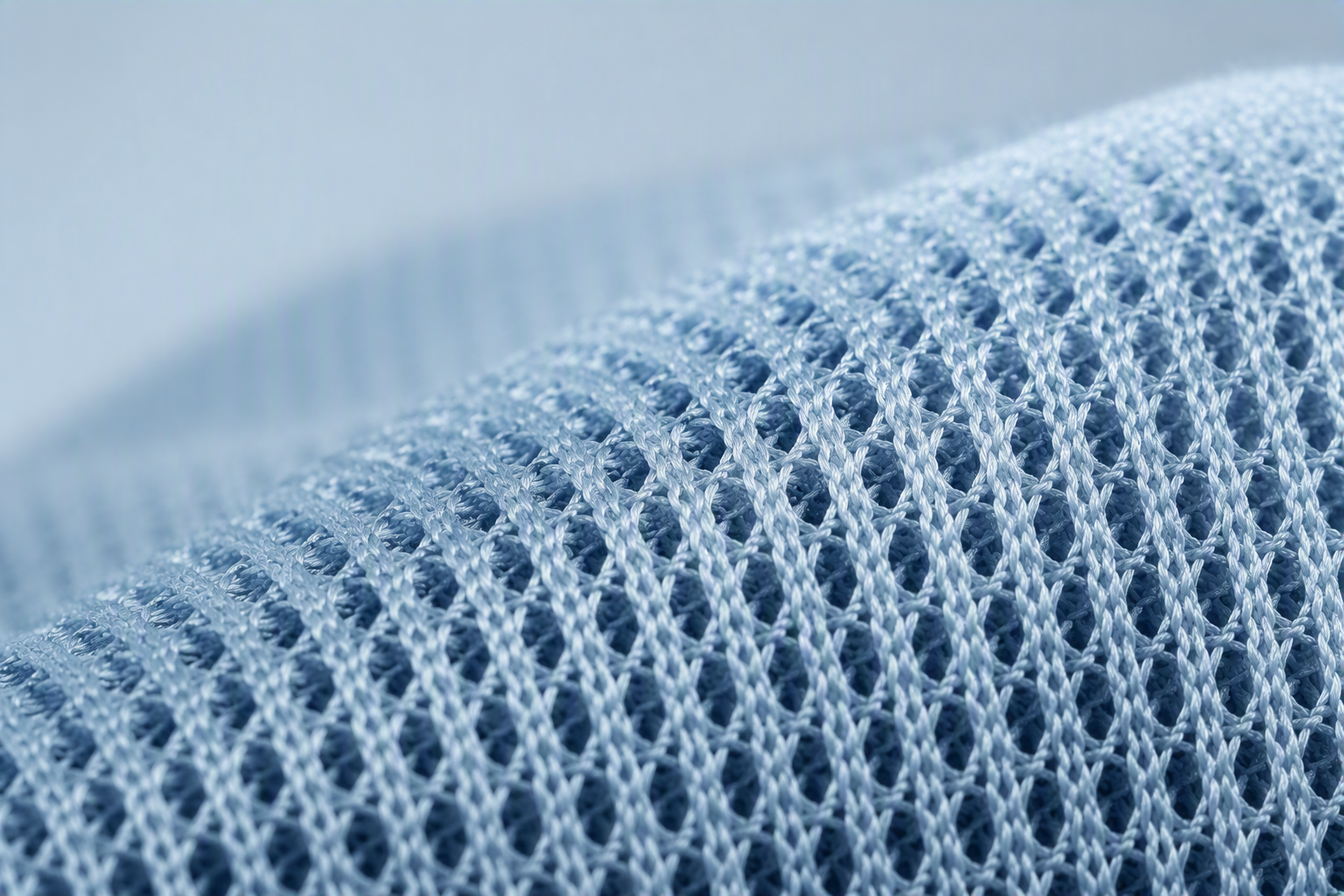
إذا كنت تشعر بالحرّ ليلاً، فإنّ الأغطية الثقيلة الحابسة للحرارة تُخرّب بهدوء ذلك الانخفاض الحراري الحاسم وتسحبك من النوم الخفيف قبل أن تستقرّ. والطبقات القابلة للتنفّس والطاردة للرطوبة تساعد جسمك على التخلّص من الحرارة بدل مصارعتها. والبطانية المبرّدة المصمّمة لمن يشعرون بالحرّ أثناء النوم مصمّم لهذا تحديداً، إذ يُبعد الدفء والرطوبة كي يبرد جسمك في موعده ويبقى كذلك طوال الليل.
روّض عقلاً مضطرباً
أحياناً يكون الجسم مستعدّاً لكنّ الدماغ لا يتوقّف عن السرد. هذه العادات تُخلي المدرّج.
11. قم بـ«تفريغ ذهني» قبل النوم
احتفظ بدفتر على الطاولة الجانبية واقضِ خمس دقائق في تدوين مهامّ الغد وأيّ هموم مُلِحّة. تفريغ هذه الحلقات المفتوحة على الورق يعني أنّ دماغك لا يضطرّ إلى تكرار التمرين عليها عند الحادية عشرة ليلاً. وتشير دراسات الكتابة قبل النوم إلى أنّ تدوين مهامّ اليوم التالي قد يساعد الناس على النوم أسرع بشكل ملحوظ. وكلّما كانت قائمتك أكثر تحديداً ازدادت فاعليتها، لأنّ الهموم الغامضة هي التي تعود دائماً. والقلم والورق يتفوّقان على تطبيق الملاحظات هنا، إذ الهدف الاسترخاء لا إعادة فتح شاشة متوهّجة.
12. إذا عجزت عن النوم، انهض من السرير
هذا هو الركن المخالف للحدس في علاج الأرق. إذا كنت مستلقياً مستيقظاً نحو 20 دقيقة، فانهض، واذهب إلى غرفة خافتة الإضاءة، وافعل شيئاً هادئاً ممِلّاً حتى تشعر بالنعاس، ثم عُد إلى السرير. البقاء في السرير محبَطاً يُعلّم دماغك أن يربط السرير باليقظة، وهو آخر ما تريده. وقرنُ ذلك بـروتين هدوء ثابت قابل للتكرار من أجل نوم أعمق يُعيد بناء الصلة بين سريرك والراحة.
جمعُ كلّ ذلك معاً
لست بحاجة إلى التقنيات الـ12 دفعة واحدة. ومحاولة قلب كلّ شيء في ليلة واحدة عادةً ما تأتي بنتائج عكسية، فتُضيف ضغطاً إلى عملية تزدهر بالسهولة. ابدأ بطريقة مهدّئة واحدة (تنفّس 4-7-8 خيار أوّل ممتاز)، وعادة توقيت واحدة (وقت استيقاظ ثابت)، وحلّ تبريد واحد (اخفض منظّم الحرارة أو خفّف فراشك). امنح هذا المزيج أسبوعاً كاملاً قبل الحكم عليه، لأنّ النوم يستجيب للثبات لا للّيالي البطولية المنفردة. وحين يصير هذا الثلاثيّ تلقائياً، أضِف تقنية أخرى ودع روتينك ينمو من هناك.
النوم بشكل أسرع نادراً ما يكون مسألة بذل جهد أكبر. إنّه إزالة الاحتكاك (الحرارة والضوء والتحفيز والضغط) الذي يقف بينك وبين النوم الذي يعرف جسمك أصلاً كيف يجده. هيّئ المسرح بإتقان كافٍ، ليلة بعد ليلة، فيكفّ الغفو عن أن يكون معركة ويبدأ في أن يبدو كالخاتمة الطبيعية ليومك.